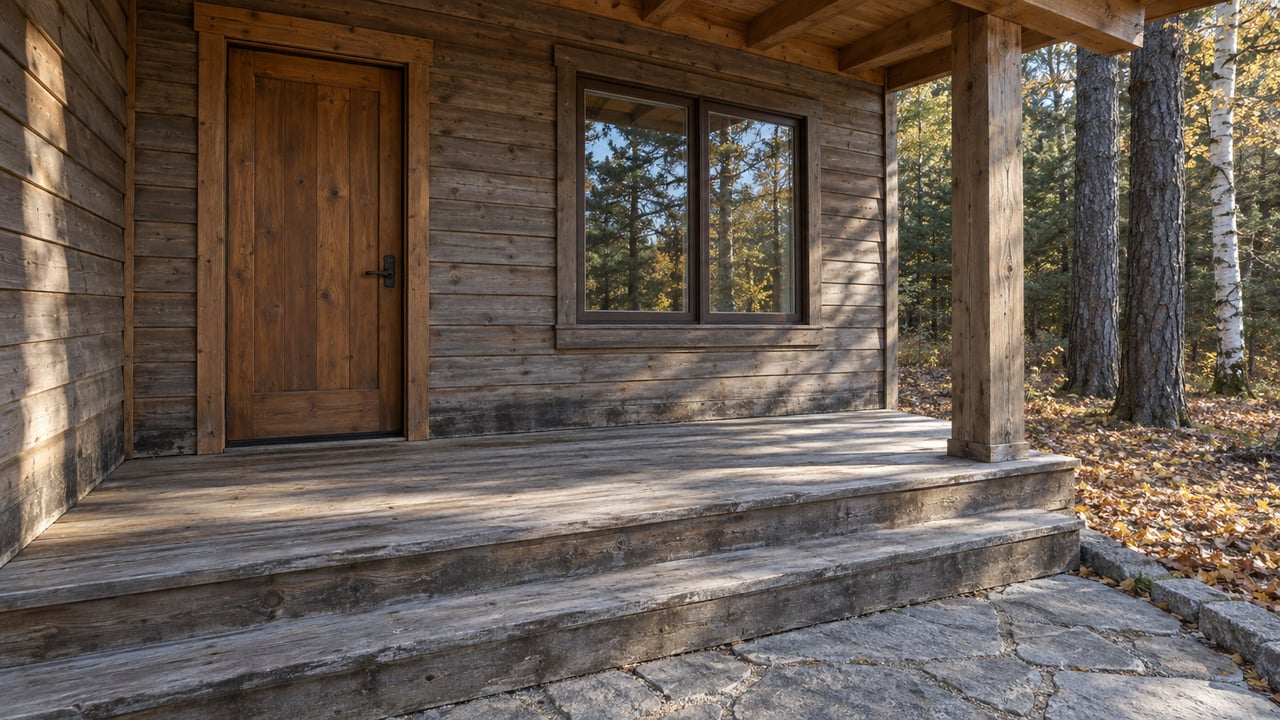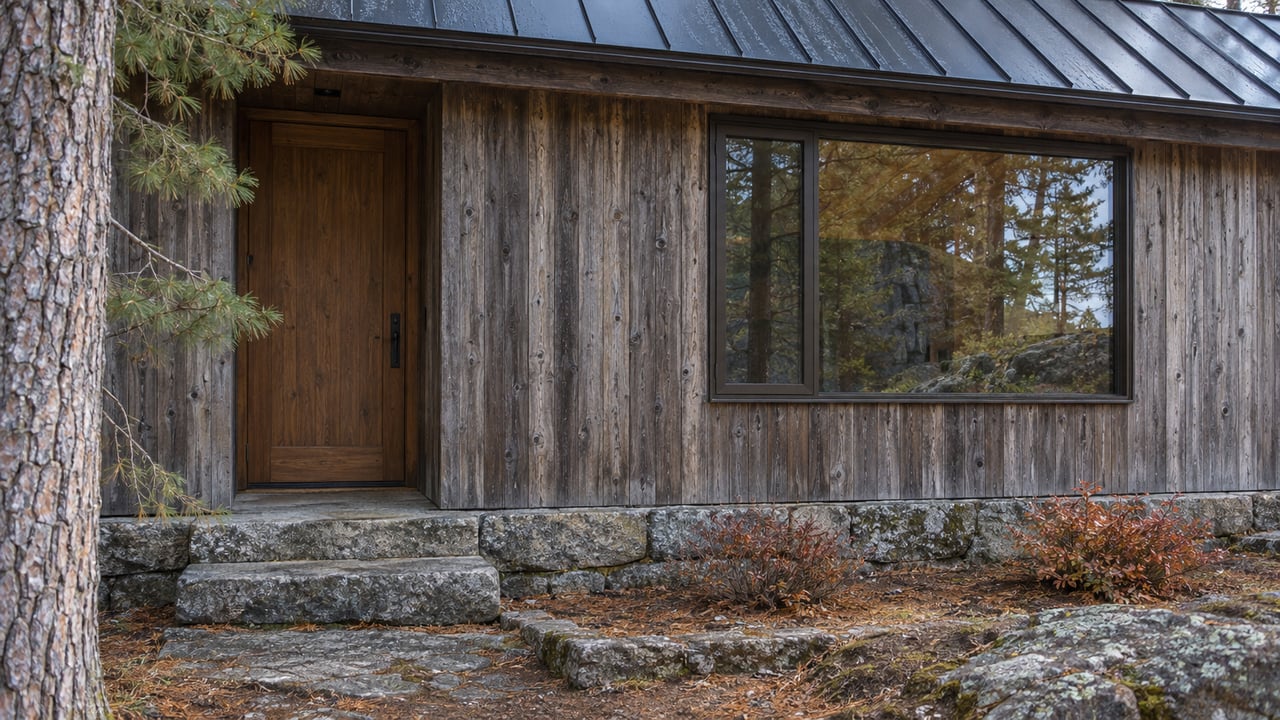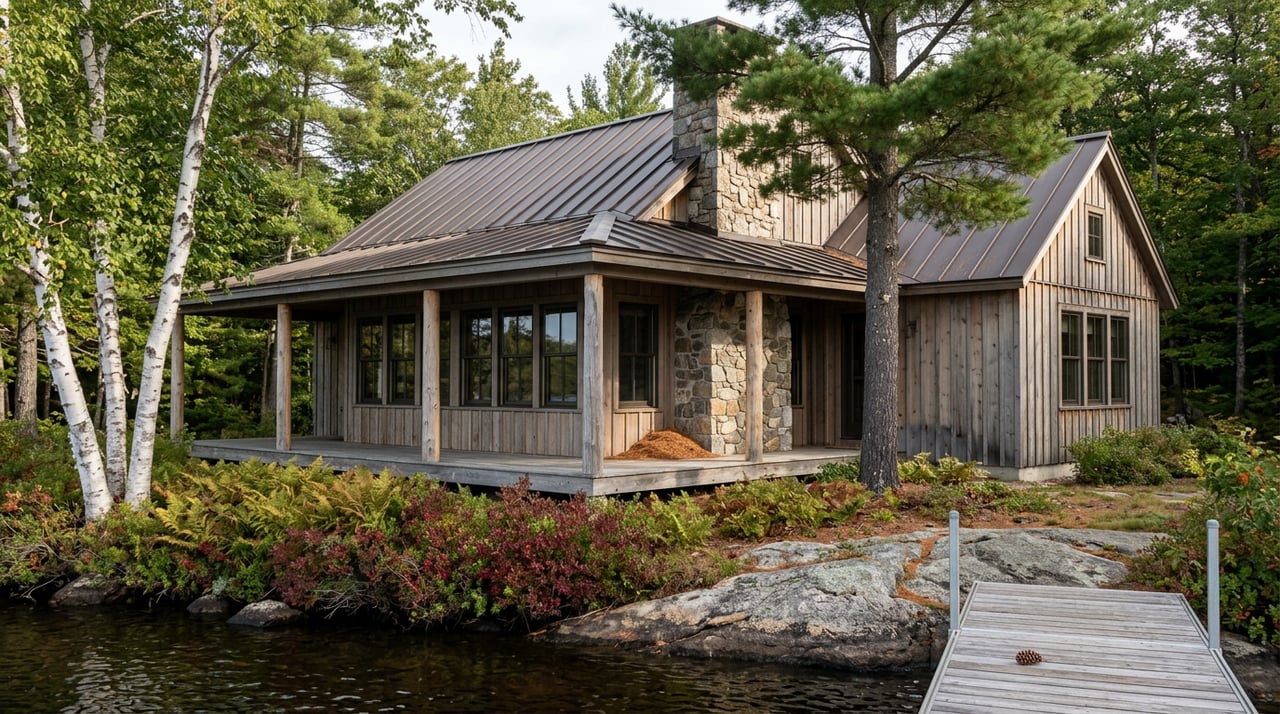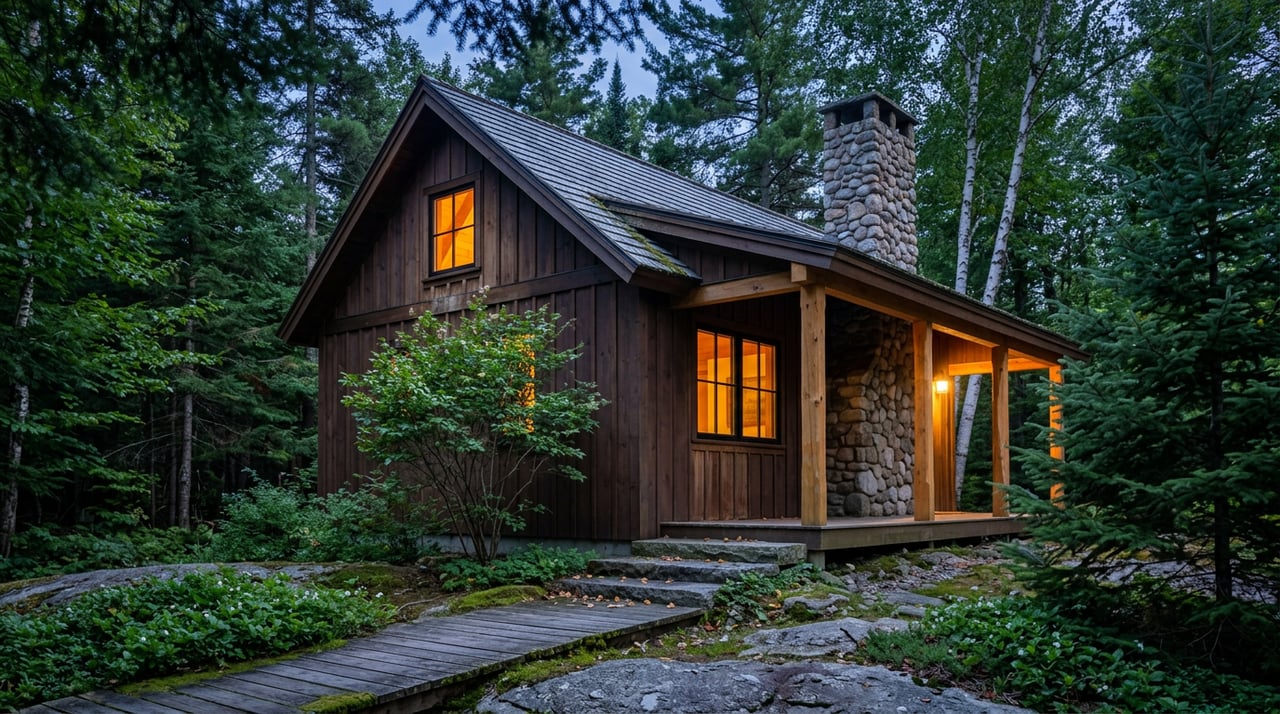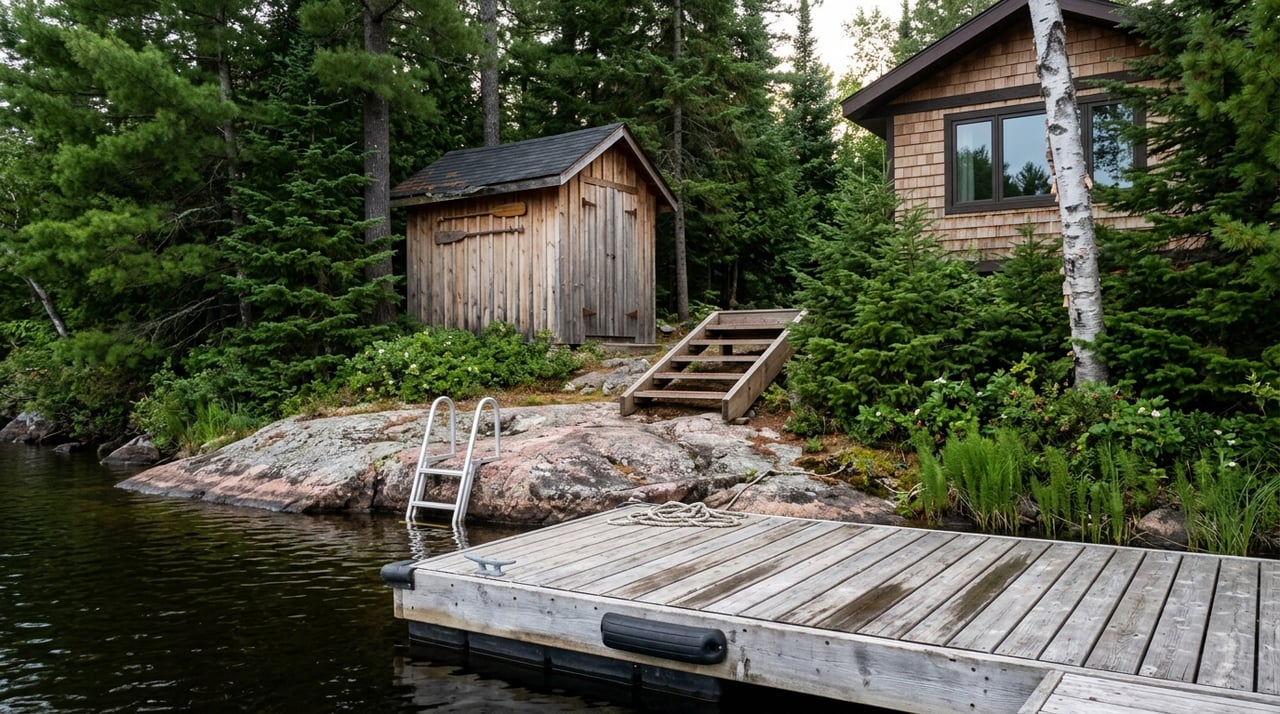
If you are dreaming about a quieter kind of Lake Vermilion getaway, an island or boat-access cabin near Orr can feel like the ultimate escape. It also comes with questions that do not always come up with a typical drive-up property, like how you launch, where you park, what utilities are actually in place, and what county rules apply. This guide will help you sort through the practical side of buying so you can focus on whether the lifestyle fits your plans. Let’s dive in.
Why this niche stands out near Orr
Lake Vermilion creates a unique cabin market because the lake itself is so large and complex. According to the Minnesota DNR, it spans 39,271 acres, includes 365 islands, and has 341 miles of shoreline. That kind of geography naturally creates opportunities for cabins with more seclusion and a stronger sense of privacy.
Near Orr, that setting can be a major draw if you want a property that feels tucked away in the Northwoods. At the same time, access is not a small detail here. With island and boat-access cabins, the route to the property is part of the ownership experience.
Island cabins vs boat-access cabins
An island cabin and a boat-access cabin can sound similar, but they are not always the same thing. An island property sits on an island, while a boat-access-only cabin may be on the mainland but still require water travel to reach it. In both cases, you need to think through transportation, supplies, maintenance, and backup plans.
In practical terms, the biggest trade-off is usually convenience versus seclusion. An island cabin often means more planning around weather, loading gear, and making routine supply runs. A boat-access mainland cabin may still feel remote, but it can sometimes be easier to manage for dock work, maintenance visits, and emergency access.
What access means day to day
Public launches on Lake Vermilion
Access starts with the launch. The Minnesota DNR says there are 17 public water accesses on Lake Vermilion, and overnight parking is allowed at 11 DNR-managed sites. DNR public water accesses are generally open 24 hours a day unless posted otherwise.
These sites can be used for trailer or carry-in launches, and they generally do not charge launch fees unless they are inside a park that requires a vehicle permit. Before a showing, inspection, or closing-week visit, it makes sense to confirm current access conditions through the DNR’s LakeFinder and water access information.
2026 access update to know
If you are shopping this niche in 2026, one local detail matters right away. The DNR says Moccasin Point Public Water Access is undergoing major reconstruction, with public access and parking closed during the summer 2026 construction period. The DNR identifies Blackduck Bay as the nearest alternative public access.
That does not make island or boat-access ownership less appealing, but it does show why backup access matters. A launch change can affect showing logistics, contractor visits, and your usual routine on the lake.
Private access options
Not every owner relies on a public launch alone. The DNR notes that marinas, resorts, homeowners associations, clubs, and camps may also provide access. For some properties, private access arrangements are a major part of how ownership works in real life.
You will want to know whether access is public, private, deeded, leased, or based on an easement. That answer can affect convenience, long-term use, and how comfortable a lender or title company is with the property.
Utilities can be more basic than they look
A rustic cabin can be charming, but appearance does not always tell you how the property functions. The DNR’s Blue Heron Island Cabin on Lake Vermilion is a useful example of how simple island accommodations can be. It is seasonal, has no indoor plumbing or potable water, requires guests to bring their own transportation, and includes mainland parking.
Private cabins near Orr can vary widely, but the lesson is clear. You should verify whether a property has indoor plumbing, potable water, septic, power, backup generation, winterization, and reliable communication service rather than assuming those features are in place.
Shoreland rules still apply
Because these cabins can feel remote, buyers sometimes assume there is more freedom to build or change things later. In reality, shoreland rules still matter. Lake Vermilion is classified by the DNR as a General Development lake.
In St. Louis County, the default shoreline setback for General Development lakes is 75 feet, with a 50-foot shore impact zone. That means additions, shoreline work, and accessory structures may all be regulated even if a cabin feels rustic or off the beaten path.
County permits to review carefully
St. Louis County says land use permits are required in county-administered areas for a range of activities. That includes building, moving, or adding to structures, changing a structure’s height or projection, converting a cabin to storage, and installing new or replacement foundations. Filling, grading, or excavating on shoreland property may also require a land alteration permit.
This matters because many waterfront properties have evolved over time. A deck, stairs, retaining wall, sauna, or small shoreline structure may look established, but buyers should still ask whether the work was permitted and whether records are available.
Water-oriented structures
Some reduced-setback structures may be allowed on General Development lakes, but the standards are narrow. St. Louis County says boathouses cannot be used for human habitation and must follow specific size, height, and shoreline placement limits. Other water-oriented accessory structures are generally capped at 250 square feet and 12 feet in height.
If a property includes a boathouse, screenhouse, sauna, or similar feature, ask how it was approved and whether it meets current county standards. If a sauna is present, county sewage treatment standards also come into play.
Bunkhouses and guest spaces
If you are hoping for extra sleeping space, do not assume every guest cabin or bunkhouse can be used the way you want. St. Louis County’s accessory-dwelling guidance says a shoreland accessory dwelling on a parcel over one acre may be allowed with a land use permit, but it is capped at 700 square feet and must meet setback and septic requirements.
The county also states that this type of accessory dwelling may not be used for commercial or rental purposes. If a listing includes guest quarters, it is worth confirming exactly how that space is classified.
Septic is one of the biggest checks
For island and boat-access cabins, septic can be one of the most important parts of due diligence. A property can look finished and well cared for while still needing major wastewater system work. St. Louis County regulates subsurface sewage treatment systems under Ordinance 61.
As a buyer, you should ask for septic records, age, service history, pumping details, repairs, and any county correspondence. If there is no clear paper trail, that is something to investigate before you move forward with confidence.
There is also a practical ownership angle here. St. Louis County says it offers septic assistance, including low-interest loans at 3 percent for up to 10 years with a maximum loan of $50,000, along with deferred loans for eligible low-income owners with noncompliant or imminent-threat systems. Even if you never use those programs, they show how seriously the county treats septic compliance.
Short-term rental rules depend on location
Rental potential is not a one-size-fits-all question near Orr. St. Louis County says it regulates short-term rentals where the county administers zoning, but its short-term rental page lists Orr among the cities that administer their own zoning and are not impacted by the county ordinance.
That means the first step is identifying whether a property is inside Orr city limits or in a county-administered township or unorganized area. If rental use is part of your plan, verify the property’s location and the rules that apply before you make assumptions.
Access rights can affect value and use
For some cabins, the real issue is not just how you get there, but what legal rights support that route. St. Louis County says access over tax-forfeited lands may be granted by permit, lease, or easement. A permanent recorded easement requires a $1,000 deposit and may take at least six months to complete.
That is why title work matters so much with these properties. If a boat-access route, trail, dock area, or shoreline use depends on revocable permission rather than a recorded right, your long-term use could be less certain.
AIS inspections are part of ownership
Aquatic invasive species rules are part of the local boating routine. St. Louis County says it directly participates in AIS prevention at water access sites. The DNR says inspectors can visually and physically inspect watercraft, deny launch if someone refuses inspection or if invasive species are found, and require decontamination before launching or leaving an access.
For owners, that means building a little extra time into lake travel days. It also means following the DNR’s Clean, Drain, Dispose routine each time you launch.
A smart showing checklist
When you tour an island or boat-access cabin near Orr, clear questions can save you time and stress later. These are some of the most useful ones to ask.
Access questions
- How do you reach the property from the mainland?
- What is the normal boat ride time in calm water?
- Is access public, private, deeded, leased, or based on an easement?
- Where do owners park, and is overnight parking allowed there?
- What is the backup launch if the main access is closed or unavailable?
Utility questions
- Is there indoor plumbing, potable water, septic, or only an outhouse?
- Is the cabin seasonal or winterized?
- What heat source is installed?
- Is there generator backup if power fails?
- What are the cell, internet, and emergency communication conditions on site?
Permit questions
- Were the cabin, dock, stairs, boathouse, sauna, deck, retaining walls, and shoreline work permitted?
- If you want to remodel or add a structure later, what county or city permits would be needed?
- Does the current shoreline setup appear to fit Lake Vermilion setback rules?
Financing and insurance questions
- Will the lender finance a boat-access or island property?
- Do they require year-round access, certain utilities, or specific comparable sales?
- Does the title work show access easements, dock rights, or shared-use agreements?
- Are insurance costs affected by seasonal use or limited access?
Why local guidance matters
Island and boat-access properties near Orr are some of the most memorable cabins on Lake Vermilion. They can offer privacy, scenery, and a true up-north feel that is hard to match. They also ask you to think more carefully about access, permits, septic, and long-term usability.
That is where local, detail-driven guidance can make the process smoother. If you want help sorting through launch logistics, property records, and what to ask before you make an offer, Vermilion Real Estate Services can help you move forward with confidence.
FAQs
What makes island cabins near Orr different from standard lake homes?
- Island cabins usually require boat transportation for access, which makes launch planning, weather, utilities, and maintenance a bigger part of day-to-day ownership.
What should buyers verify about boat-access cabins on Lake Vermilion?
- You should confirm how access works, where parking is located, whether overnight parking is allowed, what utilities are in place, and whether there are recorded easements or shared-use rights.
What setback rules apply to shoreland cabins near Orr on Lake Vermilion?
- Lake Vermilion is classified as a General Development lake, and in St. Louis County the default shoreline setback is 75 feet with a 50-foot shore impact zone.
What permits might apply to an island or boat-access cabin in St. Louis County?
- Land use permits may be required for building, moving, or adding to structures, changing structural height or projection, replacing foundations, and some filling, grading, or excavating on shoreland property.
What should buyers ask about septic at boat-access cabins near Orr?
- Ask for septic records, system age, service and pumping history, repair or replacement records, and any county correspondence related to compliance.
What should buyers know about short-term rentals near Orr?
- Rental rules depend on whether the property is inside Orr city limits or in a county-administered area, so you should verify the parcel location before assuming short-term rental use is allowed.
What should buyers know about public water access on Lake Vermilion?
- The DNR says Lake Vermilion has 17 public water accesses, with overnight parking allowed at 11 DNR-managed sites, but access conditions and closures should be checked before trips or showings.