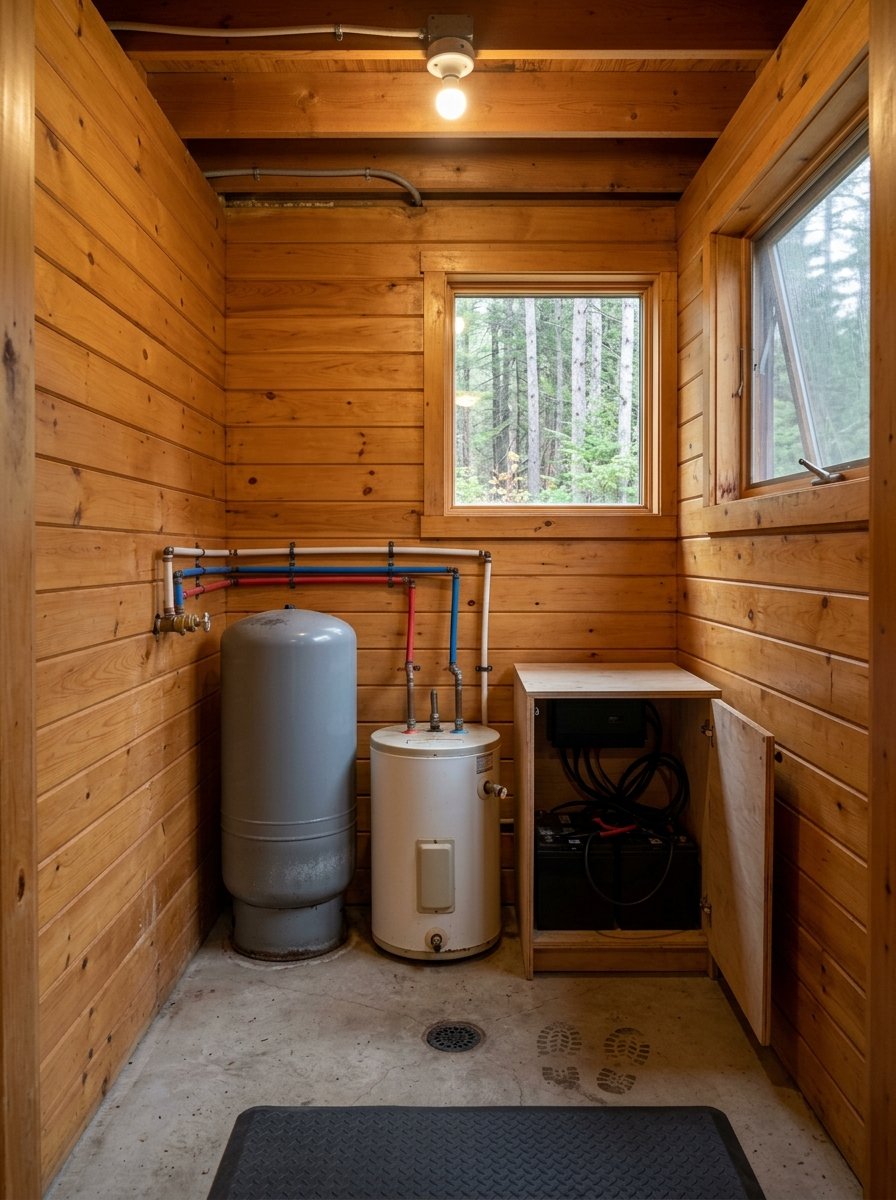
Thinking about buying an off-grid cabin near Ely, Minnesota? The view, the privacy, and the quiet can be exactly what you want, but these properties come with questions that go far beyond the cabin itself. If you are considering a remote or semi-off-grid place, you need to understand local rules, shoreland limits, core utility systems, and winter readiness before you make an offer. Let’s dive in.
Why off-grid cabins need extra due diligence
An off-grid cabin near Ely is not just a home purchase. It is also a land-use, access, and systems decision.
In the Ely area, the first step is figuring out which local government regulates the parcel. St. Louis County says land-use permits apply in county-administered areas, but zoning administration can also vary by township or city. That means two cabins with a similar look and setting may not follow the same approval path.
St. Louis County also notes that it does not administer the Minnesota State Building Code, even though it does require land-use permits for work such as building, moving, adding to structures, changing a structure’s height or pitch, and installing new foundations. If you are buying an older cabin with plans to renovate, the county permit process is only part of what you need to review.
Start with jurisdiction and permits
Before you focus on solar panels, generators, or lake views, confirm the legal framework around the property.
Confirm who regulates the property
Ask whether the parcel falls under county, city, or township administration. This matters because permit rules and review processes can vary depending on where the property sits.
If the cabin is in a county-administered area, St. Louis County land-use rules will likely shape what you can do with structures, additions, and site work. If it is in a city or township, local ordinances may add another layer.
Review permits for past and future work
If a cabin has been added onto, moved, rebuilt, or placed on a new foundation, you will want to verify what approvals were obtained. This is especially important for older recreational properties that may have changed over time.
If you plan to improve the property after closing, do not assume the existing footprint gives you a free pass. Older cabins often have legal or nonconforming conditions that can limit what can be repaired, replaced, or expanded.
Shoreland rules can shape your plans
Many cabin buyers near Ely are drawn to water. That makes shoreland classification one of the most important parts of due diligence.
Check the exact shoreland classification
Minnesota DNR says shoreland rules apply only to lakes and rivers with an assigned shoreland classification, and local ordinances can be more restrictive than state minimums. In St. Louis County, shoreline setback rules vary by waterbody class.
For example, St. Louis County lists shoreline setbacks of:
- 75 feet for General Development Lakes
- 100 feet for Recreation Development Lakes
- 150 feet for Natural Environment Lakes
- 300 feet for Primitive Rivers
- 100 feet by default for other protected lakes and rivers
These classifications can affect where a cabin, addition, deck, or accessory structure may be allowed.
Understand limits on clearing and coverage
The DNR says shoreland rules also limit total impervious surface coverage to 25 percent of the lot. They also restrict intensive clearing in shore impact zones and bluff impact zones, with only limited clearing allowed for access or a view.
That matters if you are picturing extra parking, a larger driveway, a new deck, or added outbuildings. A beautiful wooded lot may have tighter limits than you expect.
Be careful with older shoreline cabins
Older cabins near the water often have nonconforming status. The DNR says existing nonconforming structures may continue through repair, replacement, restoration, maintenance, or improvement, but not expansion.
St. Louis County says some additions to nonconforming shoreland structures may be allowed under performance-standard rules, but the limits depend on the site. In plain terms, if a cabin sits close to the lake, do not assume you can simply make it larger later.
Off-grid systems to evaluate before you buy
A remote cabin works only as well as its systems. In an off-grid setting, power, water, septic, and access all need careful review.
Power: know what the system can really support
The U.S. Department of Energy says planning a home renewable-energy system starts with analyzing electricity use, checking local requirements, and deciding whether the setup is off-grid, grid-tied, or hybrid. A hybrid system combines renewables with a fossil-fueled generator.
For a cabin near Ely, the key question is practical capacity. You want to know whether the current setup can support winter use, refrigeration, lighting, pumps, battery charging, and any backup generator needs, not just whether solar panels are present.
Water: review well records and testing
Minnesota requires sellers to disclose the number and status of wells and provide a sketch map when property is sold or transferred. The Minnesota Department of Health recommends annual testing of potable wells for total coliform bacteria and nitrate, plus at least one test for arsenic and lead.
MDH also advises buyers to ask for well construction records, sealing records, and water-testing reports. That is important because a well that is capped or plugged is not the same thing as a legally sealed well.
The state does not require private-well testing at transfer, but MDH notes that many lenders may require it anyway. For a remote cabin, a well that seems fine during a showing could still create financing, repair, or treatment issues before closing.
Septic: do not stop at the inspection result
St. Louis County requires a septic compliance inspection before a sale or transfer of land with a dwelling or another structure that requires an SSTS, unless a recent valid certificate or notice is already on file. If the system is noncompliant, replacement deadlines differ depending on whether the property is shoreland or non-shoreland.
The county says a noncompliant system must be replaced within 12 months for shoreland property and 24 months for non-shoreland property. If replacement is not complete before closing, the county requires escrow for 100 percent of the replacement cost.
The Minnesota Pollution Control Agency also points out that an existing-system inspection does not evaluate everything. It does not determine system size, horizontal setbacks, estimated longevity, current usage, or past abuse. A passing report is valuable, but it is not the whole story.
Access: legal access matters as much as the cabin
For remote properties, access is a major issue. St. Louis County says a driveway permit is required to construct a new driveway or widen an existing driveway that connects to a county road.
The county also says access across tax-forfeited lands may be available through easements, leases, or authorizations. A permanent easement is a legal interest recorded in the public record, and the county notes that the process may take at least six months. If access is not clear and documented, that can become a serious problem.
Think ahead about guest cabins and extra buildings
A lot of buyers imagine adding a bunkhouse, guest cabin, or other accessory space later. That may be possible, but it is not automatic.
St. Louis County treats accessory dwellings as separate regulated structures. The rules can depend on lot size, height, septic capacity, setback compliance, and screening from public waters.
If a property is being marketed with a guest cabin, sleeping cabin, or bunkhouse, verify how that structure is classified and whether it complies with current standards. This is one area where records and local review matter a lot.
Winterization and insurance deserve early attention
A cabin near Ely can sit empty for stretches of time, especially if you use it seasonally. That makes winter readiness and insurance planning essential.
Plan for winter systems care
The Minnesota Department of Public Safety says winter brings freezing temperatures, icy roads, and increased fire risk. Its carbon monoxide guidance recommends annual inspection of fuel-burning equipment and chimneys, along with clearing snow and debris from vents.
St. Louis County also advises seasonal owners to winterize septic systems carefully. Its guidance says freezing risk can be reduced by insulating tanks and lines, covering tanks and field components by Thanksgiving if there is no snow, and maintaining normal water use or arranging a house sitter when possible.
Match insurance to how the cabin is used
The Minnesota Department of Commerce says vacation and secondary homes may have specific insurance needs because they are occupied only part of the year. It notes that these policies are often written on a named-perils basis and should be reviewed annually.
Commerce also says buyers may need separate attention for detached structures, contents kept at the cabin, sewer-backup or flood coverage, and boat insurance. It also notes that flood insurance has a 30-day waiting period.
Your pre-offer checklist for an Ely-area off-grid cabin
Before you write an offer, try to gather these records and answers:
- Which government regulates the parcel: county, city, or township?
- What is the exact DNR shoreland classification for the lake or river?
- Is the septic system compliant, under escrow, or likely to need replacement?
- Is the well properly disclosed, and are there construction, sealing, or water-testing records?
- Does the property have documented legal access through a driveway permit or recorded easement?
- Is the cabin legal nonconforming, and if so, what are the limits on repair, rebuilding, or expansion?
- If there is a guest cabin or bunkhouse, how is it regulated?
- Does the insurance quote reflect seasonal use, detached structures, and any flood or sewer-backup concerns?
Why local guidance helps in remote cabin purchases
Buying an off-grid cabin near Ely can be incredibly rewarding, but it works best when you look beyond the listing photos. The right property is not just scenic. It also needs workable systems, clear records, legal access, and realistic improvement options.
That is where local, boots-on-the-ground guidance can make a real difference. When you are buying recreational or waterfront property in northern Minnesota, having someone who understands the lifestyle and the practical details can help you move forward with more confidence.
If you are exploring off-grid or waterfront cabins near Ely, Vermilion Real Estate Services can help you evaluate properties with a local, practical perspective.
FAQs
What should you verify first when buying an off-grid cabin near Ely, Minnesota?
- Start by confirming which government regulates the parcel, because county, city, or township rules may affect permits, setbacks, and allowed improvements.
What septic requirements apply to cabin sales in St. Louis County?
- St. Louis County requires a septic compliance inspection before sale or transfer of property with a dwelling or other structure that requires an SSTS, unless a recent valid certificate or notice is already on file.
What well information should you request for an Ely-area cabin?
- Ask for the well disclosure certificate, sketch map, well construction records, sealing records, and any recent water-testing reports.
Can you expand an older shoreline cabin near Ely?
- Not always. Minnesota DNR says existing nonconforming structures may continue through repair, replacement, restoration, maintenance, or improvement, but not expansion, and St. Louis County notes that any exceptions can be site-specific.
Why does shoreland classification matter for cabins near Ely lakes and rivers?
- Shoreland classification affects setback distances, shore impact zones, and other development limits, so it can shape where you can build, rebuild, clear, or add structures.
What access issue should you check before buying a remote cabin in St. Louis County?
- Verify that the property has legal access through a driveway permit, recorded easement, or other documented authorization, especially if the route crosses tax-forfeited land.
What insurance questions matter for a seasonal cabin near Ely?
- Make sure the quote reflects seasonal or part-time occupancy and review whether you need coverage for detached structures, contents, sewer backup, flood exposure, or boats.