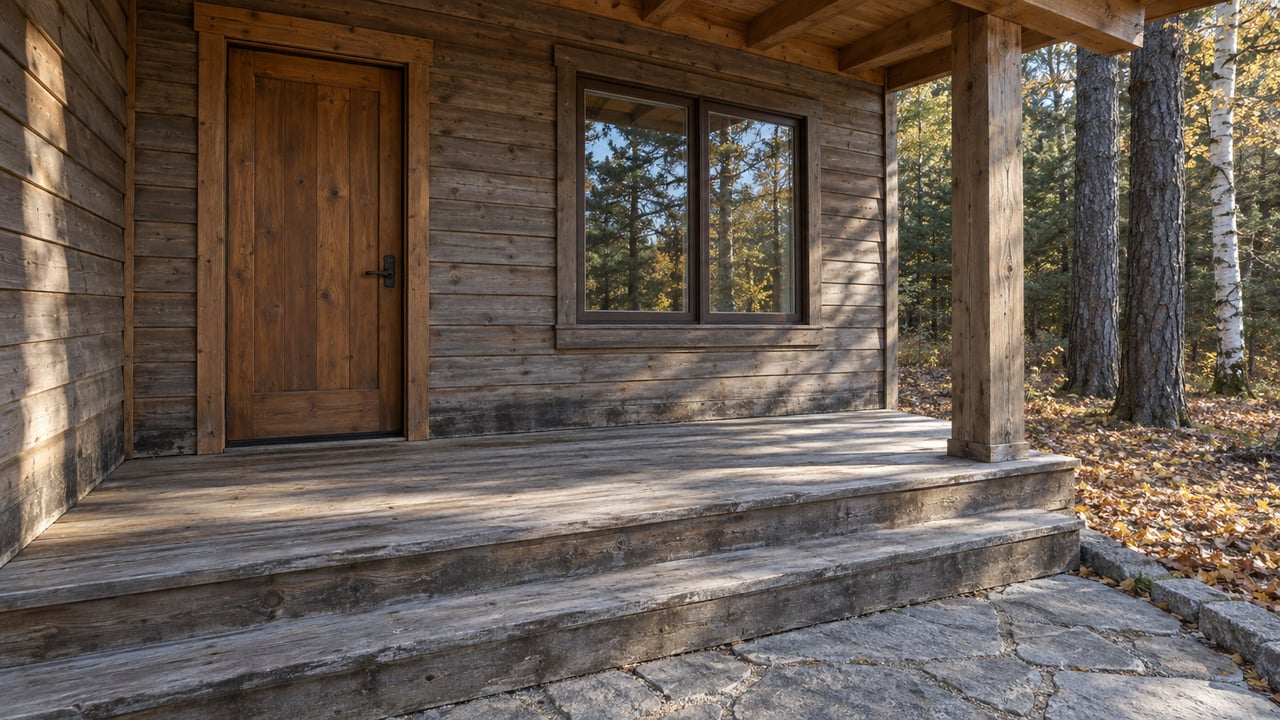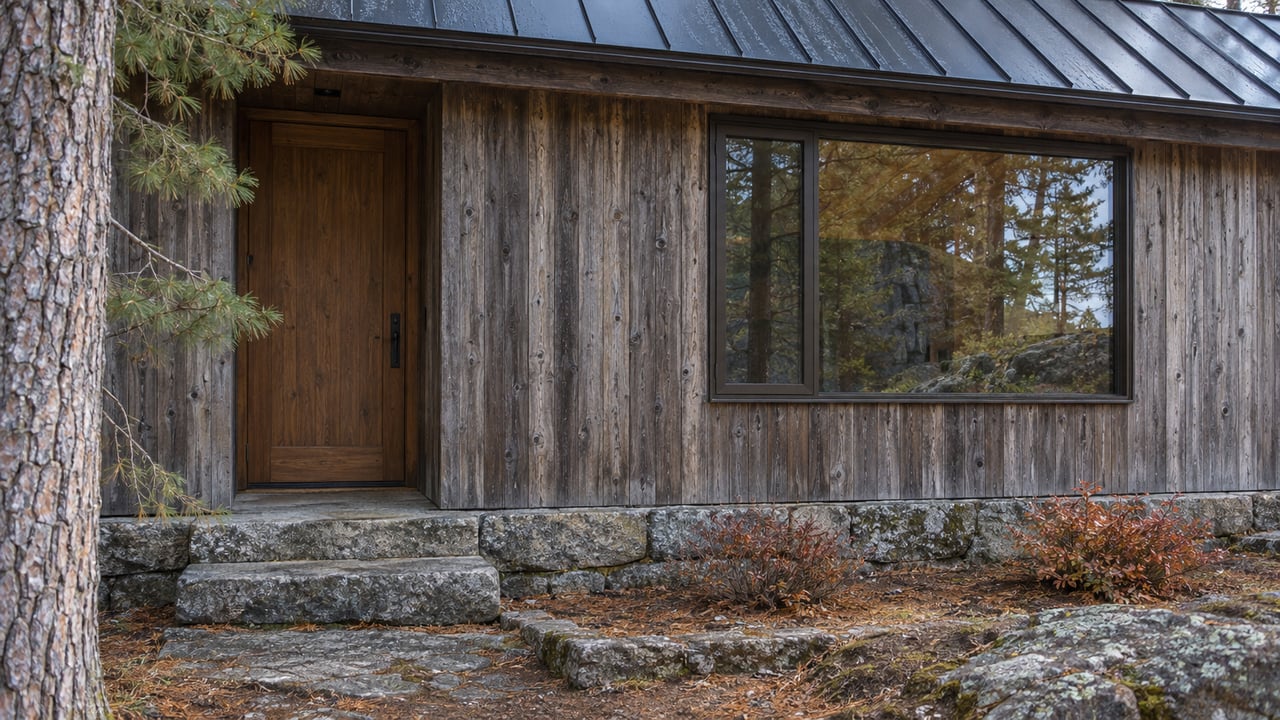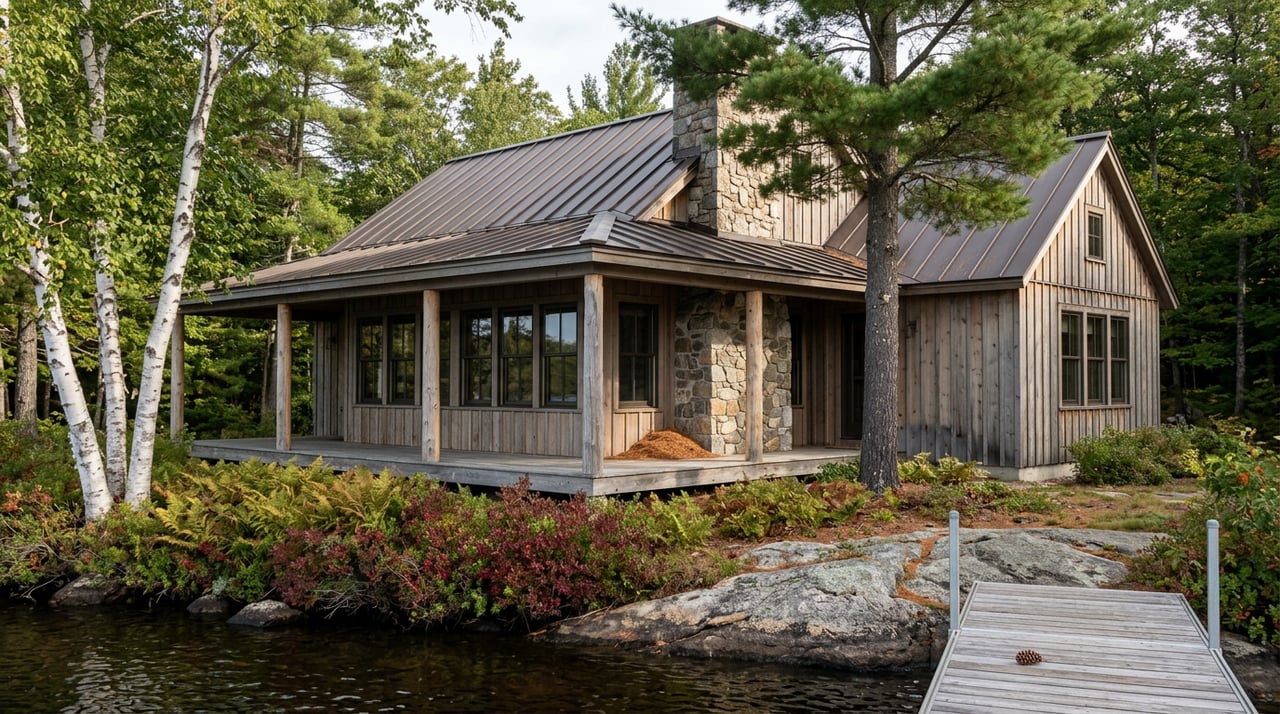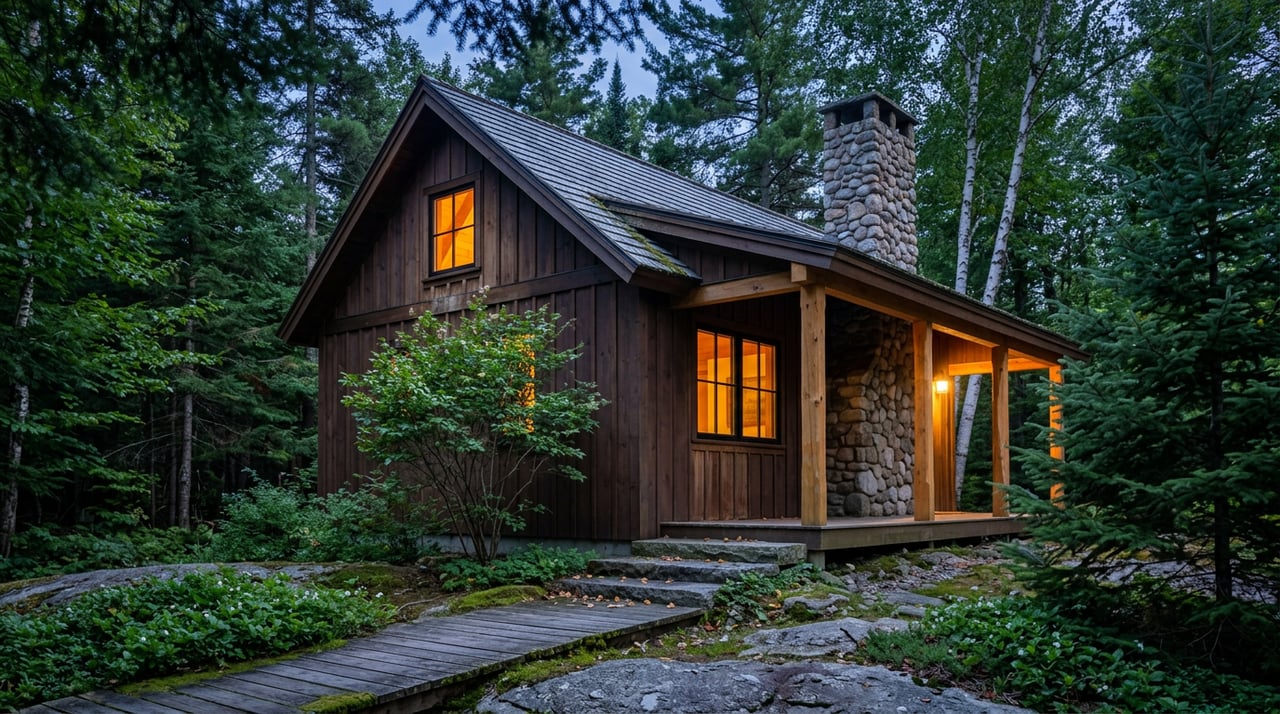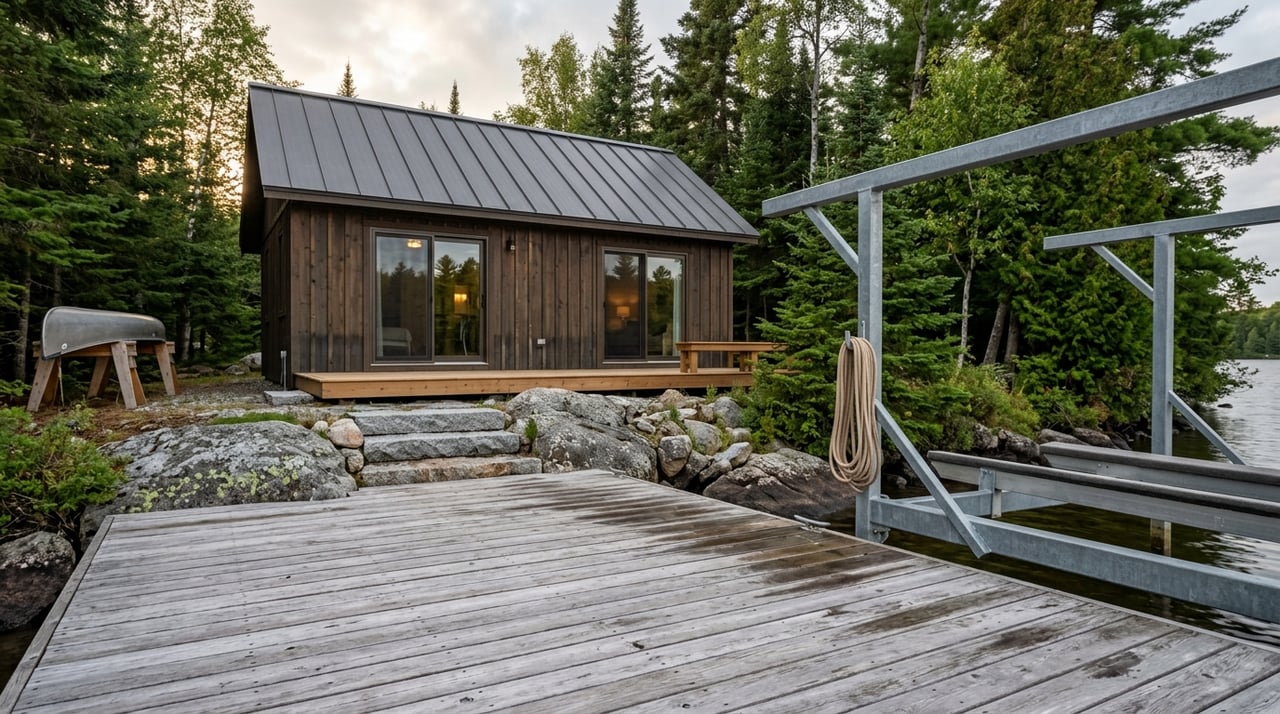
If you are getting ready to sell a lake home in Cook, first impressions matter more than ever, and most of them happen online. Buyers today rely heavily on photos, property details, and floor plans when deciding which homes are worth a closer look. If you want your property to stand out, the goal is to make the home, shoreline, and showing plan feel clean, simple, and ready from day one. Let’s dive in.
Start With Your Timing
In the Cook area, listing prep often works best from late spring into early summer, after snowmelt and dock launch. That timing fits local conditions, since May in this part of St. Louis County can still be cool and wet, according to Minnesota DNR climate summaries.
For many lake properties, that means waiting until the exterior really shows well. If the shoreline is still messy, the dock is not in, or the deck furniture is stacked away, your photos may not capture the lifestyle buyers are looking for.
That does not mean you should wait to plan. It means you should use the early season to line up your cleaning, minor repairs, staging, and photography so the property is ready when conditions improve.
Focus on Digital First Impressions
Lake homes are emotional purchases, but buyers still start with a screen. According to the National Association of Realtors buyer snapshot, all buyers used the internet in their home search, and listing photos were rated as the most useful feature by 81% of buyers in 2025.
That matters in Cook because many buyers are comparing properties from outside the immediate area. They may decide whether to schedule a showing based on your first image, your shoreline presentation, and whether the home feels well cared for in photos.
Before you list, ask yourself a simple question: Would a buyer understand the value of this property in the first 30 seconds online? If the answer is not yet, your prep work is not done.
Clean the Approach First
Before buyers ever get to the water, they notice the arrival. Start with the driveway, entry, steps, deck, windows, screens, railings, and the path from parking to the lake.
This part of the property should feel intentional and easy to navigate. A clean, open approach helps buyers focus on the setting instead of deferred maintenance.
A practical exterior checklist includes:
- Pressure wash or clean decks, steps, and railings
- Clear leaves, branches, and winter debris
- Wash windows and repair damaged screens
- Tidy the entry and parking area
- Make sure the path to the lake feels safe and visible
- Straighten outdoor furniture and remove unnecessary items
These tasks are not glamorous, but they help your home photograph better and show better in person.
Get the Shoreline Ready
At a lake home, the shoreline is part of the product. Buyers are not just evaluating the house. They are also looking at access, usability, and how the waterfront feels the moment they step outside.
That is why it helps to clean up the lake-facing side of the property before photography and showings. Remove stray tools, stack loose items neatly, and make sure the area around the dock and seating spaces looks orderly.
If you are planning any shoreline changes, check requirements first. St. Louis County land use rules note that many county-administered activities may require approval, including some work involving structures, shoreline vegetation, filling, grading, or excavating in shoreland areas.
Stage the Dock and Lift Carefully
The dock is one of the most important visual features of many Cook lake properties. It should look safe, properly placed, and ready for use, not temporary or improvised.
The Minnesota DNR dock guidance explains that no DNR permit is needed if certain guidelines are followed, though local rules can still apply. The same guidance notes that wider docks may require a permit and that docks and lifts should not interfere with neighbors.
For sellers, the takeaway is simple. If the dock and lift are part of the property story, stage them neatly and confirm they are set up in a compliant, practical way.
It also helps to decide in advance whether the dock, lift, canoe, or pontoon will stay with the property or be removed. Buyers will ask, and clear answers make the showing process smoother.
Watch for Permit Issues
One common mistake is assuming a small exterior project is harmless because it seems routine. On a lake property, even modest changes near the shore can trigger review.
If you are thinking about adding, moving, or modifying a structure before listing, it is smart to pause and verify what is allowed. St. Louis County’s water-oriented accessory structure fact sheet notes that structures such as boathouses, decks, and other water-oriented accessory structures may require permits and must meet setback and screening standards.
In most cases, simple cleaning and presentation give you more listing value than last-minute construction. If you are unsure, checking first can save time and stress later.
Prevent Invasive Species Problems
If a dock, lift, or boat is being moved between waterbodies, cleaning is not just a good idea. It is an important step in protecting local waters.
The Minnesota DNR shoreline guidance says you should remove zebra mussels and vegetation and let the item dry for at least three weeks before placing it into another body of water. St. Louis County also treats aquatic invasive species as a serious management issue.
If your listing prep includes moving equipment, build this into your timeline. It is a practical detail that can affect both readiness and compliance.
Prioritize the Rooms Buyers Notice Most
Inside the home, you do not need a full remodel to make a strong impression. You need the spaces that matter most to feel bright, clean, and easy to understand.
According to the NAR 2025 staging snapshot, staging helps buyers visualize the home as their future home. The most commonly staged rooms were the living room, primary bedroom, and dining room.
For many Cook cabins and lake homes, that means spending your time and budget on cosmetic improvements that help both photos and walkthroughs. Think paint touchups, brighter bulbs, clean bedding, neutral textiles, uncluttered counters, working screens, and a tidy fireplace or porch.
Edit Personal Items Before Showings
Many sellers around Lake Vermilion have owned their properties for years, sometimes decades. That history is meaningful, but too many personal items can make it harder for buyers to picture themselves in the space.
Before showings, remove or store:
- Family photos
- Mail and paperwork
- Passwords and sensitive documents
- Valuables
- Firearms
- Medications
The NAR consumer guide on home-selling privacy and safety recommends putting these items away before buyers enter the home. This step protects your privacy and helps create a calmer, less crowded presentation.
Schedule Photos at the Right Time
Photography should happen after the property is truly ready, not just mostly ready. Since buyers rely so much on online presentation, the timing of your photo day can have a real impact on interest.
The NAR guidance on online visibility notes that the first image sets expectations for the listing, and that videos and virtual tours also matter. For a lake home, that usually means waiting until the shoreline is clean, the dock is in place, and the outdoor setup reflects how you want buyers to imagine using the property.
Rushing photo day can lead to images that undersell the home. A little patience often creates a much stronger launch.
Build a Showing Plan if You Live Away
Many Cook sellers are not living at the property full-time. If that is your situation, a showing plan matters just as much as staging.
Rather than allowing ad hoc access, it helps to set clear showing windows, keep the home photo-ready, and have a local contact available for weather or service issues. This makes the process more manageable and gives buyers a more consistent experience.
The NAR privacy and safety guide recommends an electronic lockbox because it records who enters and when. NAR also notes that planned showing schedules and call-before-showing procedures can add both security and transparency, especially for second homes.
Your Pre-List Checklist
If you want a simple way to organize your next steps, start here:
- Choose your likely listing window
- Clean the approach, deck, windows, and path to the lake
- Tidy the shoreline and outdoor gathering areas
- Stage the dock and lift neatly
- Check permit rules before making shoreline or structural changes
- Remove clutter and personal items indoors
- Prioritize the living room, primary bedroom, and dining area
- Schedule photography only after the property is fully ready
- Set a showing plan if you live out of town
- Decide what water-related items stay with the sale
A well-prepared lake property feels easier to buy. That is exactly what you want buyers to feel from the first photo to the final showing.
If you are thinking about selling in Cook or anywhere around Lake Vermilion, working with a local specialist can make the prep process much more manageable. Vermilion Real Estate Services helps sellers present recreational and waterfront properties in a way that highlights both the home and the lifestyle, with practical guidance tailored to the local market.
FAQs
What is the best time to list a Cook lake home?
- For many properties, the best prep and listing window is late spring through early summer, after snowmelt and dock launch, when the exterior and shoreline are easier to show well.
What should sellers clean first before listing a Cook waterfront home?
- Start with the driveway, entry, steps, deck, windows, screens, railings, and the path from parking to the lake so buyers get a strong first impression.
Do shoreline changes at a Cook lake property require a permit?
- They can. St. Louis County says some work involving structures, shoreline vegetation, grading, filling, or excavating in shoreland areas may require approval.
What rooms matter most when staging a Cook cabin for sale?
- The living room, primary bedroom, and dining room are often the most important spaces to stage because they help buyers picture how they would use the home.
How should out-of-town owners manage showings for a Cook second home?
- It helps to set showing windows, keep the home ready for photos and visits, use secure access tools like an electronic lockbox, and have a local contact available for issues that come up between showings.