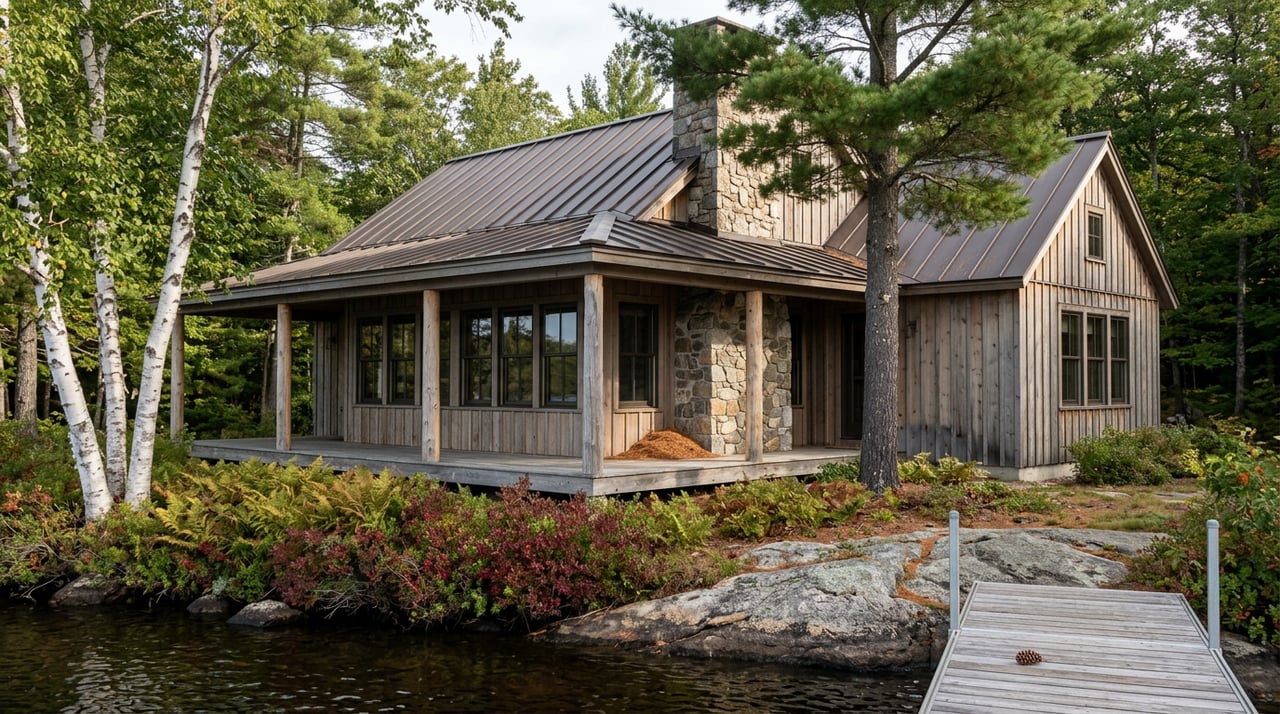
Shopping for a Lake Vermilion cabin and wondering how you can reach the water if the shoreline is not on your deed? You are not alone. Many Tower area properties rely on a lake access easement to legally use a path, dock, or shared shoreline. In this guide, you will learn what a lake access easement is, how it works in St. Louis County, and what to check before you buy. Let’s dive in.
Lake access easement explained
What it is
A lake access easement is a legal right to use another person’s land for a specific purpose related to the lake. You do not own the land, but you can use it as the recorded document allows. Around Lake Vermilion, that often means a path to the shore, the right to use a shared dock, or permission to moor a boat in a designated slip.
Appurtenant vs. in gross
- Appurtenant easement: Tied to a specific property and transfers with that property. If you buy the benefiting cabin, you usually get the easement.
- Easement in gross: Benefits a person or organization, not a parcel. These are less common for shared cabin access.
Exclusive vs. non-exclusive
- Exclusive: The holder has sole use that excludes the property owner. This is rare for residential shared access.
- Non-exclusive: Use is shared by easement holders and often the landowner, consistent with the easement’s purpose.
How easements are created
Common ways near Lake Vermilion
Most lake access easements are created by a recorded deed, plat, or declaration. Others can arise by necessity or implication if a parcel would be landlocked without it, or by prescription after long-term, open use without permission. The exact rules depend on Minnesota law and the recorded history of the parcels.
What to look for in the document
Read the recorded instrument closely. Key items to find include:
- The parties and legal descriptions for both the benefiting and burdened parcels.
- The purpose, such as pedestrian and vehicular access, dock and boating rights, or storage limits.
- The location, width, and surface of the path or corridor.
- Allowed structures, number and type of docks, and any parking rules.
- The term, transfer rules, and whether it is appurtenant or in gross.
- Maintenance duties, cost sharing, and any dispute resolution steps.
Rights and limits you can expect
Typical rights
- Walk to the shore and carry gear across a defined route.
- Use a shared dock or assigned slip if the document says so.
- Place steps or a docking structure within the easement area if specified.
Common restrictions
- Width limits, such as a 6 to 15 foot pedestrian path, with or without vehicle access.
- Non-exclusive use that prevents any single owner from claiming full control.
- Limits on docks and structures, including size, materials, or number of slips.
- Rules about seasonality, parking, or storage.
Local examples around Tower
- Shared footpath to a common dock that serves several cabins, limited to walking, bicycles, and hand-carried launching.
- Multi-slip shared dock with assigned slips or a first-come system and a maintenance fund.
- Easement allowing small utility vehicle access for loading and unloading, but no full-size trailers or overnight parking.
Maintenance and cost sharing
Who maintains what
Many recorded easements spell out who maintains the path, stairs, and dock, and how costs are split. In the Lake Vermilion area, shared docks and paths often have written rules or a separate maintenance agreement, sometimes tied to an association or group of lot owners.
If documents are silent
If the instrument does not say, owners who use the easement usually share ordinary upkeep based on an agreement or past practice. Larger repairs or replacements can be more complex and may require group consent or guidance from Minnesota common law. Clear written agreements help prevent disputes.
Local risk factors
Winter ice and freeze-thaw cycles can damage docks and shore structures, so plan for periodic repairs or replacement. Erosion control and shore work may need permits from St. Louis County or the Minnesota Department of Natural Resources. Seasonal storage and use rules for docks should be clarified in writing.
Impact on value and financing
When easements add value
A clear, recorded easement that provides practical access or legal dock rights can increase the appeal and value of a non-shoreline cabin, especially on a high-demand lake like Vermilion. Reliable access can be as valuable as having direct shore frontage for many buyers.
When they reduce utility
Narrow access, unclear dock rights, or missing maintenance language can limit use and reduce value compared with true shorefront. Ongoing disputes or ambiguous terms can make buyers hesitant and affect price.
Insurance and liability
Shared paths and docks can raise liability questions. Confirm whether owners carry appropriate coverage and whether an association or group policy exists for shared areas.
Buyer due diligence checklist
- Confirm whether the cabin has direct shore frontage or relies on an easement.
- Obtain the full recorded easement document, not just a reference in a deed.
- Review any maintenance agreement, association bylaws, or cost-sharing plan.
- Order a title commitment and review easement exceptions and endorsements.
- Get a current boundary or ALTA survey showing the easement’s exact location.
- Walk the route and inspect the dock for width, surface, and obstacles.
- Ask about history of use, maintenance costs, and any recent disputes.
- Verify Minnesota DNR and St. Louis County permitting requirements for docks and shoreline work.
- Confirm assigned slip rights, size limits, and winter storage rules if a dock is included.
- If terms are unclear, seek written clarifications among the owners before you close.
Where to verify records locally
- St. Louis County Recorder / Registrar of Titles for deeds, plats, and easements.
- St. Louis County property records or GIS viewer for parcel boundaries and recorded notes.
- A title company or closing attorney for a title commitment and explanation of exceptions.
- A licensed land surveyor for a current boundary or ALTA survey locating the easement.
- Township or municipal offices for local dock permits or road allowances.
- Minnesota DNR for public water access information and shoreland rules.
Avoiding and resolving disputes
- Follow the recorded easement terms and any maintenance agreement.
- Put cost-sharing and schedules in writing, and set up a maintenance fund if needed.
- Use any dispute resolution clause in the recorded documents.
- For persistent issues such as encroachment or unlawful use, consult qualified professionals and consider formal resolution only as a last step.
Ready to find the right access?
You deserve a Lake Vermilion cabin that fits your lifestyle and gives you the water access you need. If you are weighing shoreline versus easement access, or comparing dock rights between listings, we can help you assess the practical trade-offs and coordinate next steps with local pros. Connect with Vermilion Real Estate Services to explore properties with confidence.
FAQs
What is a lake access easement in Minnesota?
- It is a recorded right to use another property for lake-related purposes, such as a path to the shore or shared dock use, while the landowner keeps title.
Does a lake access easement include a dock on Lake Vermilion?
- Only if the recorded document grants dock rights. Many easements allow shore access, but dock use or slip assignments must be clearly stated.
Who pays for dock repairs and path upkeep?
- The recorded instrument or a maintenance agreement usually sets cost sharing. If silent, users often split routine costs by agreement or past practice.
Can a lake access easement be revoked or changed?
- Changes typically require the consent of affected owners and a new recorded document. Most appurtenant easements transfer with the benefiting parcel.
Will lenders finance a cabin with a shared access easement?
- Yes, but lenders and title companies review the easement terms. Clear rights and maintenance language help with approval and insurability.
How do I confirm where the easement is located?
- Review the recorded instrument and obtain a current survey. Walking the route with the seller and consulting county records can also help verify location.