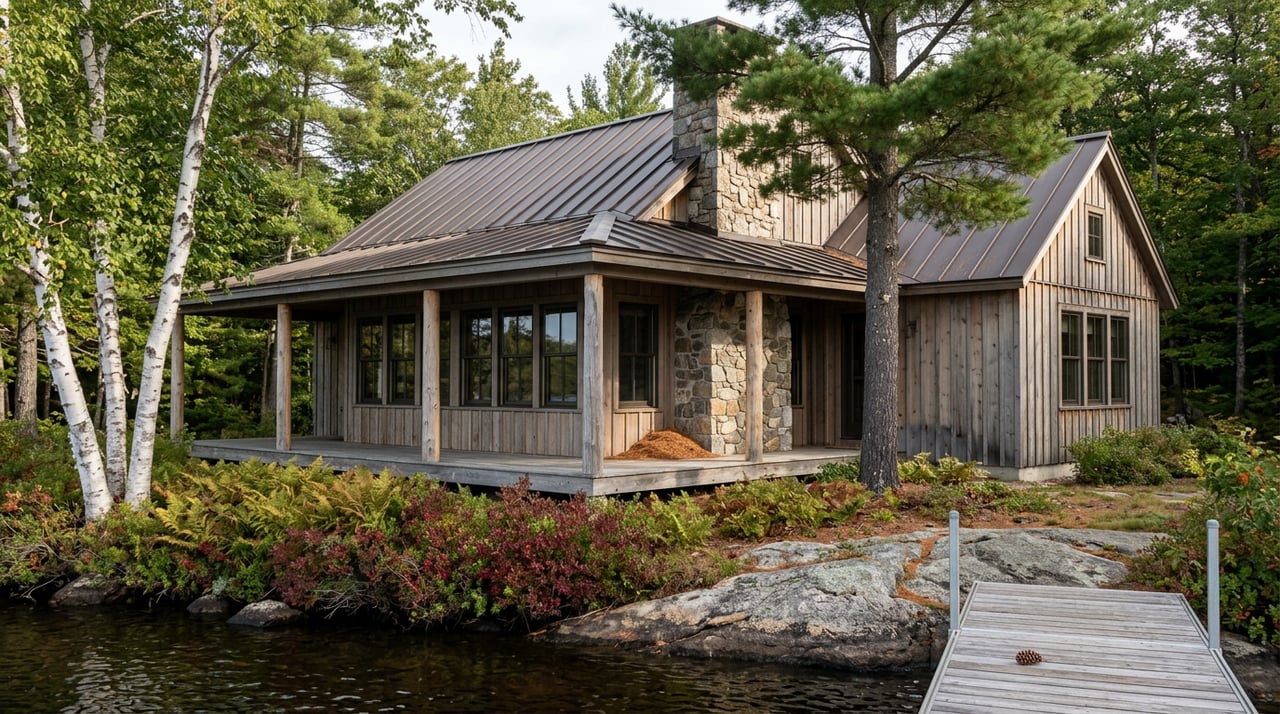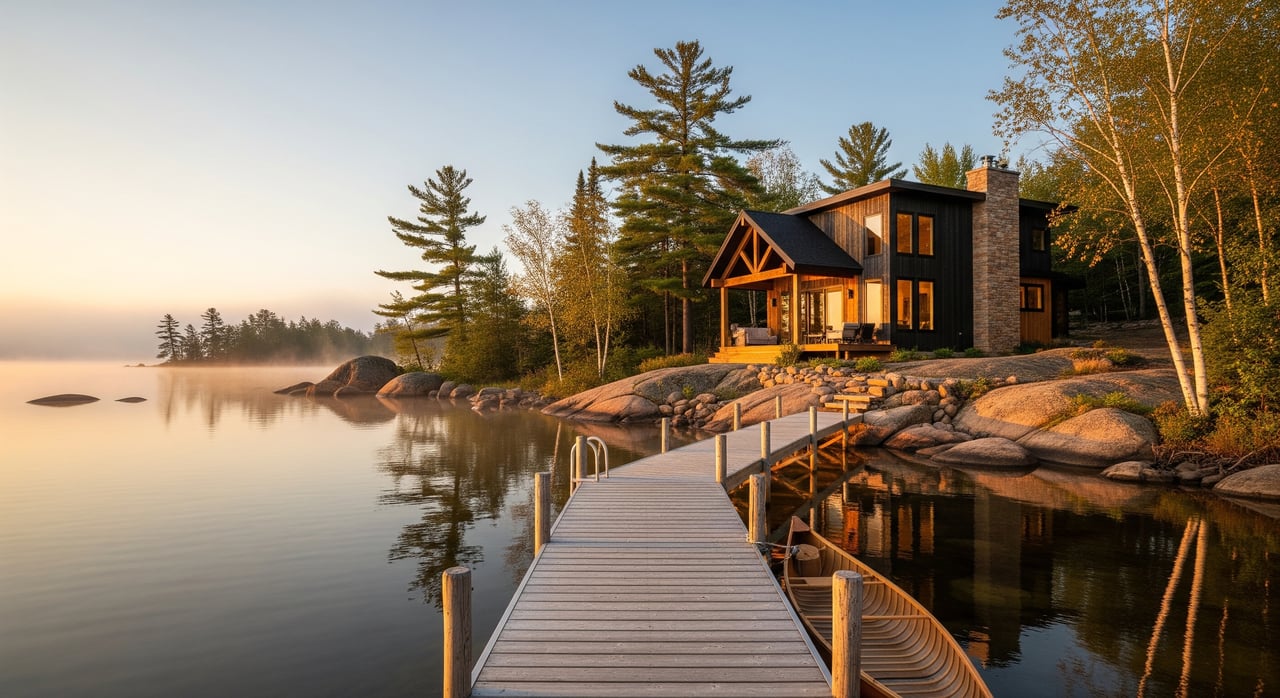
Picture this: you roll into Tower on a Friday, grab a few essentials, and 30 minutes later you’re easing away from the dock as the sun lights up Lake Vermilion’s islands. If you’re an out‑of‑area buyer, that scene is exactly why you’re here. You want the fun of lake life without surprises about access, seasons, and upkeep. In this guide, you’ll learn how daily life works, what changes with the seasons, and what to plan for behind the scenes so your cabin time stays relaxing. Let’s dive in.
Why Tower makes a great base
Tower is one of the gateway towns to Lake Vermilion. You use it for quick supplies, staging your boat days, and tapping into nearby marinas and services. The lake sprawls across bays and islands, so your preferred bay and marina will shape your routine.
Expect a mix of locals, seasonal owners, and visitors. Summer hums, winter stays active with snowmobilers and ice anglers, and spring and fall feel quieter. If you like energy on the water with small‑town convenience, Tower checks those boxes.
Summer life on the water
Daily routines that work
Most cabin owners keep a simple rhythm. You stock up in Tower, head to your dock or rented slip, and set out for a few hours of cruising, fishing, or swimming. Afternoons bring cove hopping or a longer cruise between bays. Evenings are for fires, starry skies, and relaxed dock time.
Boating days run smooth when you plan fuel and service stops early. Services cluster at a handful of marinas. If your favorite bay is remote, factor in a longer run for gas or a quick detour to a marina with pump‑out and parts.
Boating, marinas, and moorage
Owners use a mix of private docks and rented slips. Slip availability changes with the season, and popular marinas can have waitlists. Ask about transfer rules, guest slips, storage options, and winterization so you can lock in a plan that fits your schedule.
If your property has a dock, you’ll handle seasonal install and removal or hire it out. Shoreline projects often need permits and must follow setback rules. Always confirm local shoreland regulations before you build or extend anything on the water.
Fishing basics
Lake Vermilion draws anglers for walleye, smallmouth bass, northern pike, lake trout, and panfish typical of northern Minnesota lakes. Peak action varies by season, and many owners book a local guide for a quick learning curve. Minnesota requires licenses and follows species‑specific regulations, so check current rules and limits before you launch.
Fall and winter rhythms
The fall sweet spot
Fall brings cooler temps, bright color, and fewer boats. Many owners stretch their stays during this shoulder season. It’s a great time to schedule maintenance projects, tune your systems, and line up winter services while contractors are less booked.
Winter access and safety
Your winter routine depends on access. If the cabin has year‑round road access, plan for driveway plowing and roof snow removal when storms hit. If the cabin is not accessible by road in winter, you may need snowmobiles or tracked vehicles and a careful approach to ice conditions.
Ice fishing is a big draw. Always follow local guidance on ice thickness, marked routes, and changing conditions. Plan backup activities like cross‑country skiing and snowshoeing when the lake is in transition.
Year‑round planning
Many restaurants, contractors, and some marinas shorten hours or close seasonally. Book service appointments ahead for winter and early spring. If you want four‑season use, focus your search on properties with reliable winter road access, dependable utilities, and on‑site heating.
Ownership logistics you will manage
Access and travel
If you drive in from a major metro, build in buffer time for holiday traffic or winter weather. For fly‑in owners, expect a regional airport plus a final drive to Tower. Seasonal road conditions can add time, so plan arrivals earlier in the day during winter.
Docks and slips
- Private dock: schedule spring install and fall removal, check for necessary permits, and budget for repairs after storms or ice.
- Rented slip: ask about waitlists, seasonal rates, storage, winterization, and on‑site mechanical services. Confirm guest policies and overnight options for visiting friends.
Utilities, septic, and internet
- Water and septic: many cabins use a well and private septic. Review well depth and water quality tests, and confirm septic age, maintenance history, and required inspections for sale or transfer. Shoreland zoning often governs septic setbacks.
- Electricity and heating: most cabins run electric service plus propane or wood for heat backup. Arrange propane deliveries early before cold snaps.
- Internet and cell: rural coverage varies by carrier and exact address. Options may include DSL or cable where available, fixed wireless, cellular hotspots, or satellite. Verify at the property address so you know what to expect for work‑from‑cabin days.
Maintenance and management
Two core events set your year: spring commissioning and fall winterization. Many out‑of‑area owners hire local pros for opening and closing, cleaning, and periodic checks. If you plan winter stays, add driveway plowing and roof snow removal to your service list.
Property managers can simplify off‑site ownership. Common offerings include housekeeping, vendor scheduling, seasonal opening and closing, and emergency contacts. Ask about service scopes, fees, and insurance implications if you plan to rent your cabin.
Insurance, taxes, and permits
- Insurance: lakeside homes may have higher premiums. Check coverage for wind, hail, water damage, and ice damming. Clarify whether the place is seasonal or used year‑round.
- Taxes: waterfront properties are often assessed at a premium. Verify with the county assessor before you finalize your budget.
- Permits and rentals: confirm local ordinances for short‑term rentals, shoreland rules for docks and additions, and state tax obligations if you rent. Get clarity before you advertise any stays.
Waste and emergency readiness
Small towns often use transfer stations or scheduled pickup. Know your options and schedule. For emergencies, map the closest clinic or hospital routes and keep a basic first‑aid kit on hand. If your property is remote, share an arrival plan with family or a neighbor when you visit off‑season.
A weekend in Tower: sample flow
- Friday afternoon: arrive in Tower, pick up groceries and fuel, and check your slip or dock lines. Quick evening cruise or casting session before sunset.
- Saturday morning: early coffee on the dock, then a longer boat run between bays. Midday swim, nap, or trail walk. Late afternoon fuel stop and a calm cruise back.
- Sunday: light chores, trash drop‑off, and a final cast. Close out your checklist so you can lock the door and head home on time.
This rhythm keeps your trips simple and repeatable. The key is setting up services ahead so your time stays on the water, not on errands.
Budget categories to plan for
Build a realistic budget with categories rather than exact numbers. Your costs will vary by property size, shoreline, services, and how often you visit.
- Property taxes and insurance
- Utilities: electricity, propane, internet
- Dock and boat: slip fees, dock install/removal, storage, winterization, fuel, routine repairs
- Property care: opening/closing services, cleaning, snow removal, roof and gutter work, pest control
- Repairs and replacements: appliances, pumps, water heaters, shoreline upkeep
- Travel and staging: fuel, rental cars if flying, spare supplies stored in Tower
- Professional services: property management, inspections, and permit fees
Quick buyer checklist
- Define your seasons: summer‑only, shoulder seasons, or year‑round.
- Choose your base bay or marina area for daily convenience.
- Confirm access: year‑round road, plowing needs, and winter routines.
- Verify well, septic, electric, and heating systems with recent maintenance records.
- Test internet and cell coverage at the specific address.
- Line up vendors for dock install/removal, boat service, and winterization.
- Understand shoreland permits and local rental rules before you plan projects or listings.
- Map your emergency routes and nearest medical services.
Working with a local pro
Lake Vermilion rewards owners who plan ahead. You get smooth weekends, predictable costs, and a base in Tower that keeps errands quick. When you work with a local specialist, you learn which bays fit your boating style, which marinas match your needs, and how to structure services so you can lock the door on Sunday without worries.
If you’re weighing specific properties or want help dialing in a plan for docks, utilities, and seasonal services, we’re here to help. Reach out to Vermilion Real Estate Services for local guidance and a smooth path to cabin ownership.
FAQs
How does Tower, MN work as a home base for Lake Vermilion?
- Tower provides quick access to marinas, fuel, and supplies, making it a practical staging point for boating days and seasonal upkeep.
Can I use a Lake Vermilion cabin year‑round?
- Yes, but winter access varies by property. Prioritize year‑round road access, reliable utilities, and a heating plan if you want winter stays.
What are my options for docks or slips on Lake Vermilion?
- Many owners use a private dock or rent a marina slip. Availability, waitlists, and services vary by location and season. Confirm details before closing.
How reliable is internet at cabins near Tower?
- Coverage depends on the exact address. Options can include DSL or cable where available, fixed wireless, cellular hotspots, or satellite. Test at the property.
What fishing is Lake Vermilion known for?
- Anglers often target walleye, smallmouth bass, northern pike, lake trout, and panfish common to northern Minnesota lakes. Check current rules before you fish.
What recurring costs should I expect as an out‑of‑area owner?
- Typical categories include taxes, insurance, utilities, dock or slip fees, boat storage and service, seasonal opening/closing, snow removal, and property maintenance.
Can I rent my Lake Vermilion cabin short‑term?
- Possibly, but you must confirm local ordinances, lake association rules, and state tax requirements before you list. Get clarity early in your search.