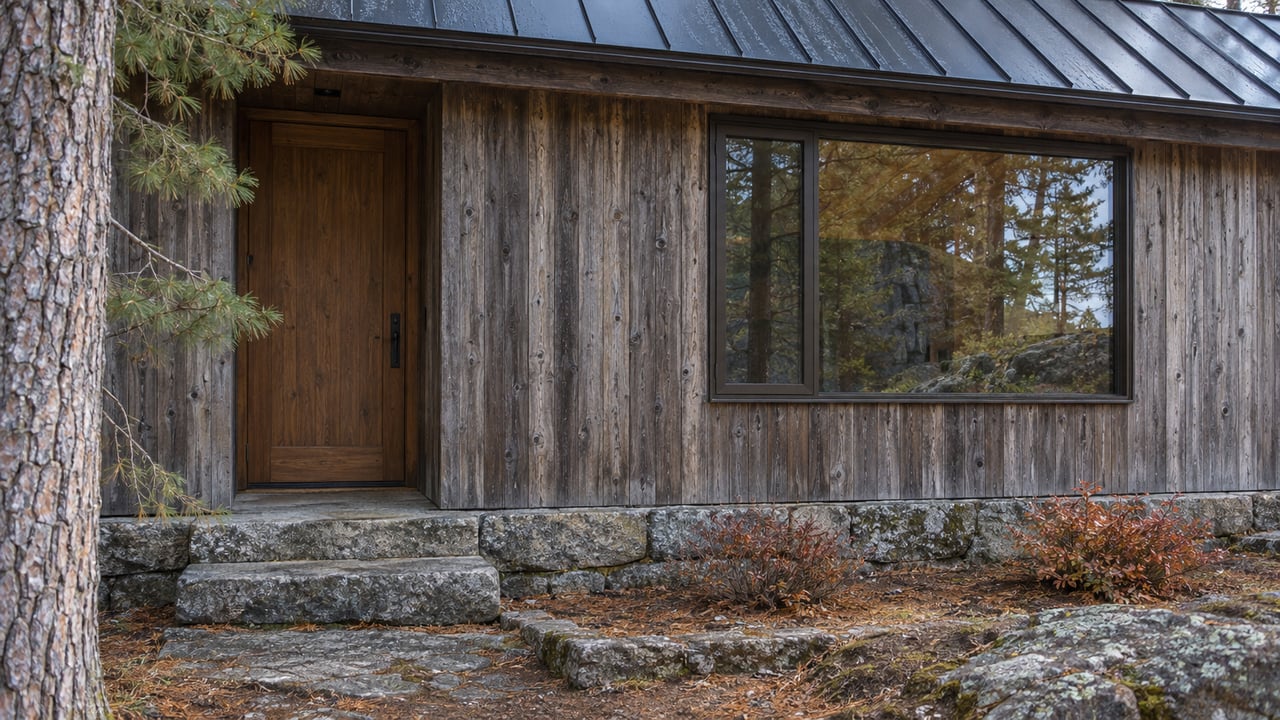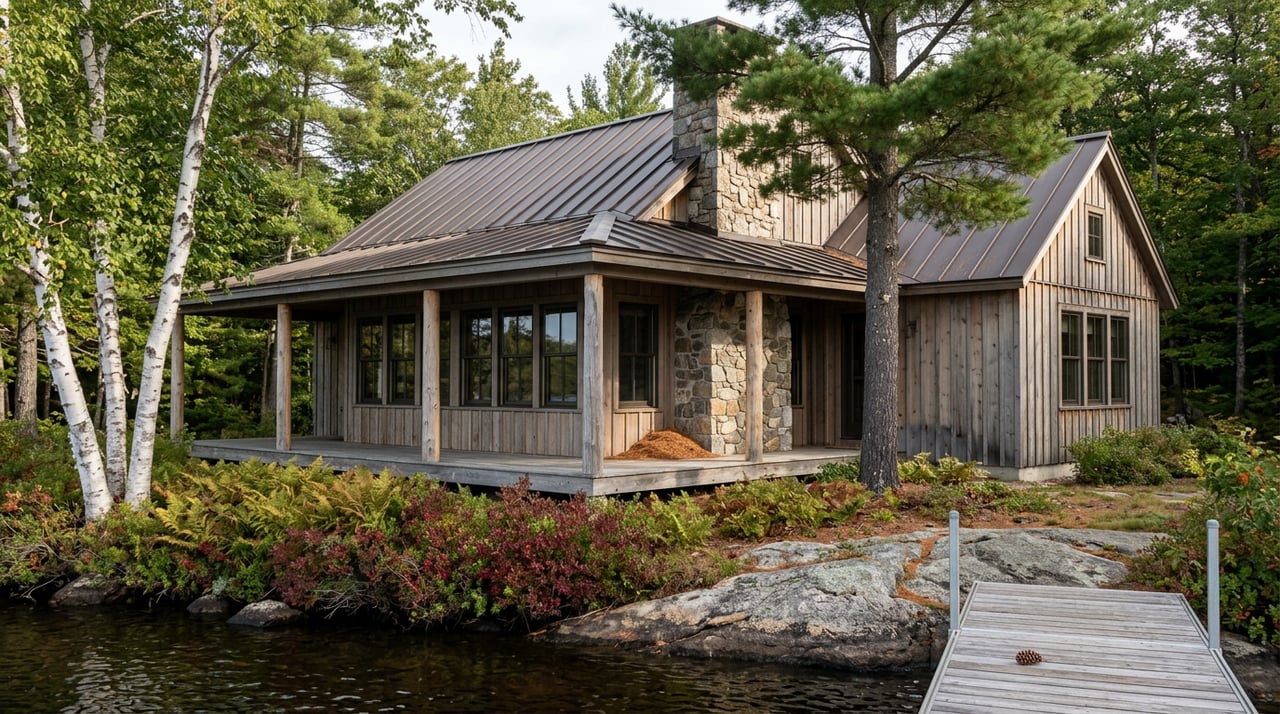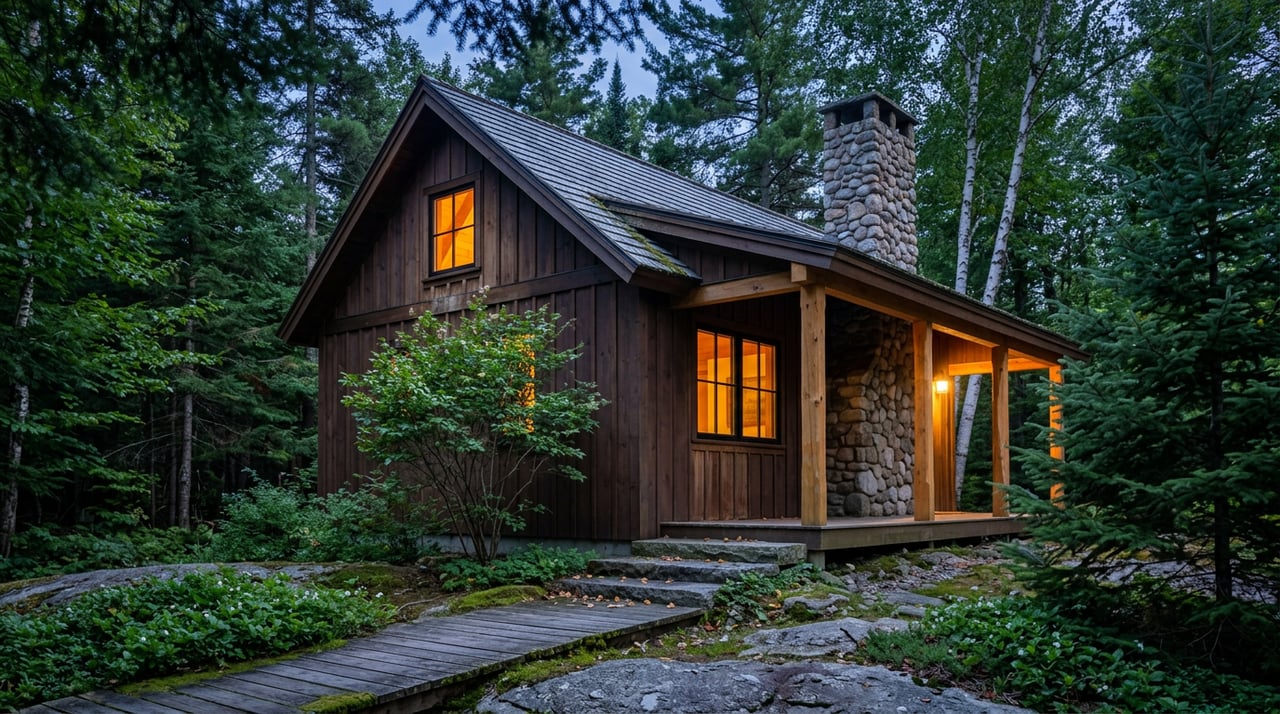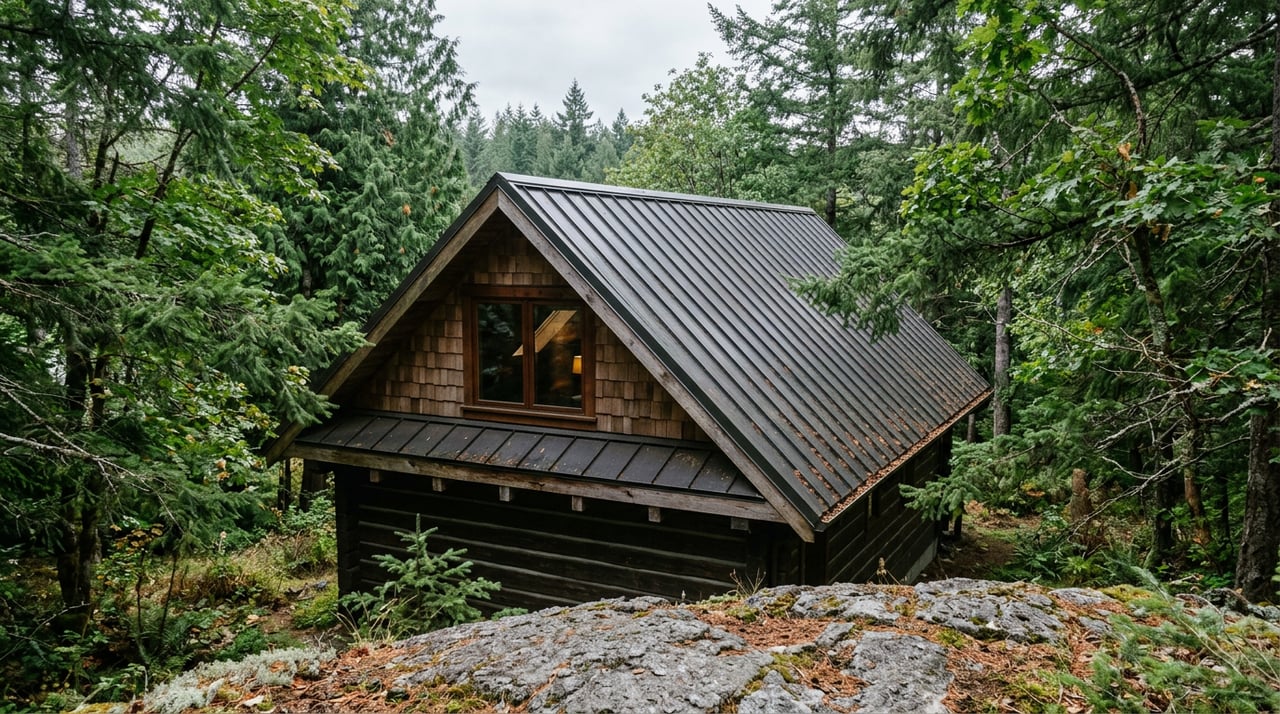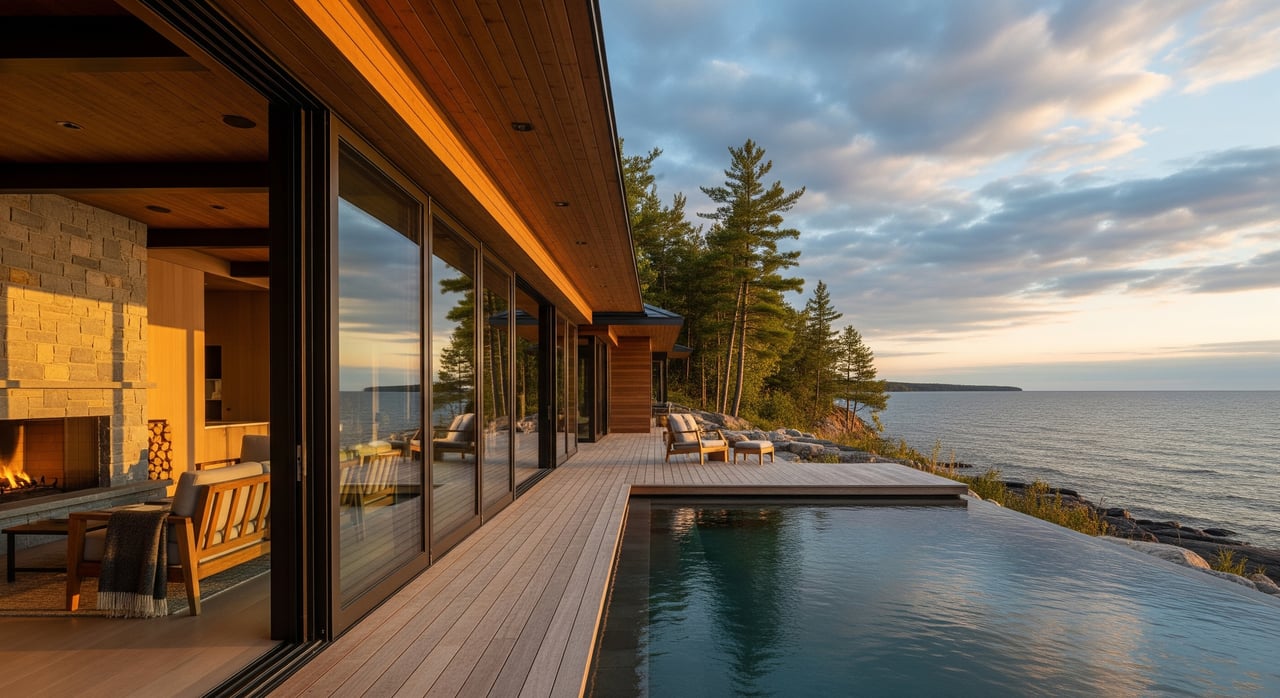
Dreaming about a cabin near Orr where you can launch the boat at sunrise and wind down by the fire at night? You are not alone. Northern Minnesota draws buyers who want a true retreat, but financing a second home here can feel different than buying your primary house. You want clear answers on loans, down payments, short-term rentals, and the quirks that come with rural properties.
This guide walks you through how lenders view second homes, what loan options typically look like, and the local factors that can affect your approval in the 55771 area. You will leave with the right questions to ask and a practical checklist so you can move forward with confidence. Let’s dive in.
Second home vs. investment property
Lenders care most about how you will use the property. That determines your loan type, rate, and requirements.
- Second home: You plan personal use, and it is not your primary residence. It should not be rented full time.
- Investment property: You plan to generate rental income on a regular basis. Frequent short-term rentals can push a property into investment classification.
Your intent and documentation matter. Lenders may look at your driver’s license address, tax returns, payroll records, and any rental contracts. They will ask about how often you plan to rent the cabin, if at all. If your plans lean toward frequent Airbnb-style rentals, expect investment property rules.
Loan options that fit cabins near Orr
Conventional second-home loans
Conventional loans are the most common path for one-unit second homes.
- Down payment: Many buyers can start around 10 percent down with strong credit. Some lenders will want 20 percent if risk factors are present.
- Credit score: 680 and higher typically helps you qualify for better terms. Mid 600s may be possible with pricing adjustments.
- Reserves: Expect about 6 months of PITI saved, sometimes more depending on the lender and loan size.
- DTI: Lenders often use standard conventional limits, commonly 43 to 50 percent, and may prefer the lower end for second homes.
Short-term rentals can change the picture. If you plan to rent frequently, conventional lenders may classify the purchase as an investment, which changes the required down payment, reserves, and pricing.
Jumbo loans
If the purchase price exceeds conforming limits or you want features outside the conforming box, jumbo financing may fit.
- Down payment: Often 20 to 30 percent for second homes.
- Credit score: 700 and higher is common for strong pricing.
- Reserves: Plan on 6 to 12 months of PITI, potentially more at higher loan amounts.
Some portfolio or regional lenders craft programs for lake homes and cabins in thin markets, but they often price for the higher perceived risk.
FHA, VA, and USDA
These programs are designed for primary residences, not second homes. FHA and USDA are generally off the table for second-home purchases. VA loans usually require the veteran to occupy the property as a primary residence.
Portfolio lenders and credit unions
Local banks and credit unions that hold loans in-house can be a good fit for unique cabin properties. They may be more comfortable with seasonal access, private roads, or nonstandard utilities. The tradeoff can be a higher rate or more conservative terms.
Cabin-specific underwriting in Northern Minnesota
Buying near Orr, Lake Vermilion, or the Boundary Waters region comes with local details that lenders watch closely.
Appraisals and comps
Rural and lake markets are thin. Comparable sales can be limited or far apart, and seasonal swings can affect pricing. Appraisers often need to make more adjustments or draw comps from a wider radius. Be ready for a full interior and exterior appraisal. It helps to share a list of improvements, recent nearby sales you know about, and property photos that show condition.
Wells, septic, and access
Many cabins have private wells and septic systems, and some sit on private or seasonal roads.
- Lenders may require confirmation of year-round access or clear notes about seasonal access.
- Expect to provide well and septic inspection reports. Potable water and a functioning septic are common underwriting needs.
- Off-grid or generator-dependent properties can trigger extra review. Some lenders will not accept certain utility setups.
Insurance considerations
Insurance availability and cost affect your debt-to-income and closing conditions.
- Northern Minnesota sees winter storms, ice, wind, and some wildfire exposure. Premiums can be higher for remote lake properties.
- If the cabin lies in a flood zone, flood insurance will be required with federally regulated lenders.
- Lenders require hazard coverage and may call for riders that address risks like ice damming or high wind.
Obtain an insurance quote early. Some lenders want a binder at closing, and the premium impacts your monthly payment.
Taxes and homestead status
Minnesota’s homestead classification applies to a primary residence. A second home in St. Louis County will be taxed at non-homestead rates. Plan your budget around full local property taxes and check the county assessor’s guidance for assessment cycles and payment schedules.
Short-term rentals and your loan
If you plan to rent the cabin on a nightly or weekly basis, tell your lender on day one. Many lenders view frequent short-term rentals as investment use, which changes the underwriting category. They will ask how many days you plan to rent, whether you will hire a manager, and what your primary reason for buying is. Also confirm any township or county rules about short-term rentals before you finalize your plan.
Market seasonality and timing
Small markets have limited buyer pools, which can affect appraisal sensitivity and resale timelines. Winter can slow appraisals and inspections because of access and weather. If the property is seasonal or hard to reach in deep snow, build extra time into your contract.
What to ask your lender
Go into lender conversations with clear, local questions so you can compare options apples to apples.
- Do you offer conventional second-home programs for properties in St. Louis County 55771? Any overlays for lake or remote properties?
- What is your minimum down payment for a one-unit second home? How does that change for cabins on private roads or with well and septic systems?
- What credit score do you need for your best pricing on a second home, and what is your minimum?
- How many months of reserves do you require for a second home? What about for a jumbo loan or if I own other properties?
- How do you treat short-term rental plans for underwriting? At what rental frequency would you classify the loan as investment?
- Will you underwrite homes with seasonal access or nonstandard utilities? Any product restrictions I should know about?
- What appraisal approach do you use in thin markets? Will you require an interior inspection?
- Do you require well and septic inspections before closing? What documentation do you need?
- What insurance coverages are required, and when do you need the binder?
- What asset documentation and reserves will I need to close, and do you allow gift funds for second homes?
- For larger purchases, do you offer portfolio or jumbo options tailored to the Iron Range or Boundary Waters region?
Pre-approval checklist
Documents to gather
- Two years of W-2s and the last 2 to 3 pay stubs, or two years of tax returns if self-employed
- Bank and asset statements that show down payment and required reserves
- Statements for any other properties you own, including mortgages and taxes
- A homeowner’s insurance quote or agent contact
- Well and septic inspection reports if available, or a plan and budget for inspections
- A simple summary of any rental plans, including estimated days per year and whether you will use a manager
- Identification and current address documentation
Tips for smoother approval
- Disclose rental intent early. Transparent plans prevent surprises that can reclassify your loan late in the process.
- Bring proof of reserves. Documented reserves can be the difference between a 10 percent and a 20 percent down payment requirement.
- Consider local portfolio lenders and credit unions alongside national lenders. Familiarity with cabins can help with septic, well, and access questions.
- Get insurance quotes early, and verify if flood coverage is needed. Premiums affect your monthly payment and approvals.
- If you are keeping your current primary home, expect lenders to count both mortgage payments in your qualification.
- Plan around the season. Appraisals and inspections can take longer in winter or if the cabin is not easily accessible.
Budgeting for the full payment
Second-home financing usually comes with tighter cash requirements than a primary home. Here is how to plan.
- Down payment: Start your planning around 10 to 20 percent for conventional loans. Jumbo programs often want 20 to 30 percent.
- Reserves: Many lenders want at least 6 months of PITI, and more for larger loans or multiple properties.
- Insurance and taxes: Non-homestead property taxes and higher cabin insurance premiums can add up. Price these early so your monthly number is accurate.
- Cash for inspections and maintenance: Budget for well and septic inspections, routine servicing, and any access or road maintenance fees.
Build a cushion beyond your minimum reserves. It helps you stay comfortable if repairs or seasonal costs pop up.
Align your search and financing
In the Orr and Lake Vermilion area, details like road access, dockage, shore type, utilities, and seasonal use can change which lenders will finance a property. Getting pre-approved with second-home terms and having your documents ready lets you write strong offers when the right cabin hits the market. It also helps you avoid last-minute surprises like an appraisal delay or an insurance premium that pushes your DTI too high.
If you want a sounding board as you plan your Orr-area cabin purchase, our local insight can help you match your wish list with properties that fit common second-home lending guidelines. When you are ready to tour, reach out to schedule time on the water and on site.
Ready to take the next step toward your Northern Minnesota retreat? Make your cabin dream a reality with Vermilion Real Estate Services.
FAQs
What qualifies as a second home for lenders in Minnesota?
- A property you intend to use for personal occupancy that is not your primary residence, with no plan for frequent short-term rentals that would make it an investment.
How much down payment do I need for a cabin in 55771?
- Many conventional lenders start around 10 percent down with strong credit, and some will require 20 percent or more depending on risk factors.
Can I use FHA, VA, or USDA for a second home near Orr?
- These programs are generally for primary residences, so second-home purchases typically use conventional, jumbo, or portfolio loans.
Will Airbnb or short-term rentals affect my loan terms?
- Yes, frequent short-term rentals often trigger investment property classification, which usually means higher down payments, more reserves, and different pricing.
What inspections are common for cabins in St. Louis County?
- Well and septic inspections are common, and lenders may require proof of potable water, a functioning septic system, and clarity on seasonal or year-round access.
How do winter conditions affect appraisals and closing?
- Winter can slow appraisals and inspections due to access and weather, so plan extra time and schedule interior access early.
Do I need flood insurance for a lake cabin in Northern Minnesota?
- If the property is in a designated flood zone, lenders will require flood insurance, and even outside flood zones, hazard coverage is always required.