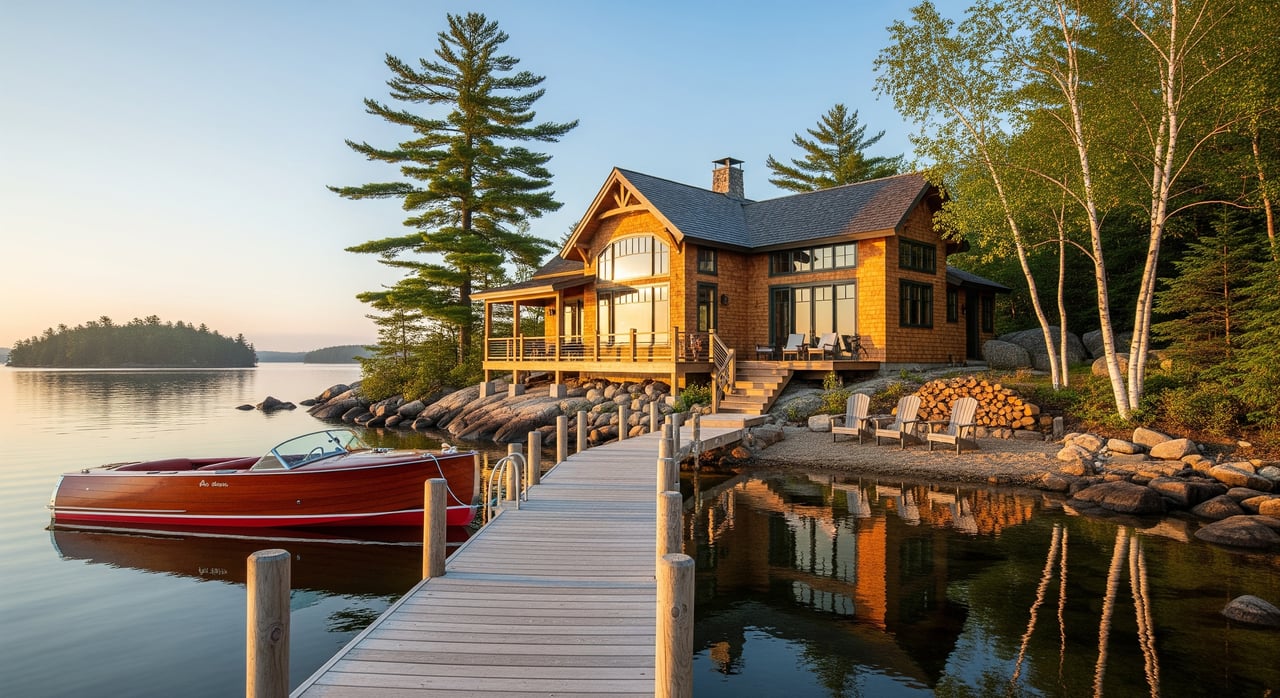
You want a cabin on Lake Vermilion, but the real question is what it will cost to own it year after year. Between winter cold snaps, dock moves, and remote access, the budget can surprise even seasoned lake owners. If you plan ahead, you can enjoy the water without worrying about the next bill.
In this guide, you will learn the recurring costs most Lake Vermilion owners face around Tower, how seasons change your spending, and a simple way to build a realistic annual budget. You will also get a checklist of documents to request before you write an offer. Let’s dive in.
What drives costs on Lake Vermilion
Remoteness and access
Many cabins sit on peninsulas, long drives, or islands. Remoteness adds travel time and can increase contractor call-out fees. Some sites require boat or snowmobile access part of the year, which affects deliveries, winter checks, and emergency service.
Seasonal extremes
Long, cold winters mean higher heating needs and careful winterization. Ice pressure can shift docks and strain boathouses. Freeze risk makes plumbing protection and off-season checks important.
Utilities mix
Some properties use municipal water and sewer in limited areas, but many rely on a private well and septic. Heating is often propane, wood, electric, or a mix. Each system has different service needs and replacement risks that drive long-term costs.
Fire protection and insurance
Distance to a fire department and the type of local service can impact insurance premiums. Ask your insurer how the property’s fire protection classification will affect rates and what winter vacancy rules apply.
Shoreland rules and permits
Minnesota DNR, St. Louis County, and the City of Tower regulate docks, shoreline work, and septic systems. Permits and required mitigation can add time and fees, especially for dock changes or shoreline stabilization.
Marina demand and storage
Lake Vermilion is a high-demand recreational market. Slips and indoor storage can be limited during peak months. Booking early helps control costs and guarantees space for spring and fall transitions.
Utilities you will pay every year
Electricity
- What to check: the local utility provider, current kWh rates, fixed monthly fees, and whether the cabin uses electric heat or hot water.
- How to estimate: ask the seller for 12 to 24 months of usage. Multiply annual kWh by the current rate, then add fixed fees.
- Formula: Annual Electricity Cost = (Annual kWh) × (Local $ per kWh) + (Monthly service fee × 12)
Heating fuel
- What to check: propane tank ownership or lease, delivery schedule, cords of wood, and annual furnace or stove service.
- Watch for delivery minimums or access fees for remote sites.
- Formula: Annual Propane Cost = (Gallons per year from seller) × (Current $ per gallon) + (Tank lease or inspection fee)
- Add: Annual Wood Heat Cost = (Cords per year) × (Current $ per cord) + (Chimney cleaning)
Water and septic
- Well: consider pump electricity, water treatment systems, and annual water testing for bacteria and nitrates.
- Septic: plan for pump-outs every 3 to 5 years depending on usage, plus inspections and eventual system upgrades.
- Budget tip: spread pump-out and inspection costs across years to avoid surprises.
- Formula: Annualized Septic Cost = (Pump-out cost ÷ Pump-out interval in years) + (Annual inspection and minor service)
Internet and phone
- Options vary by address. Fixed wireless, DSL, or satellite are common. Many owners use satellite for reliable speeds in rural areas.
- Confirm monthly plan pricing, install costs, and performance during winter. If you work remotely, you may need higher-tier service.
- Formula: Annual Internet Cost = (Monthly plan) × 12 + (Annualized equipment or install fees)
Refuse and recycling
- Some in-town areas have municipal pickup. Many cabins use private haulers or bring refuse to town. Remote sites may have seasonal differences.
- Formula: Annual Refuse Cost = (Monthly or per-pickup fee × Expected pick-ups) + (Transfer station fees if applicable)
Maintenance and repair cadence
Exterior shell
Inspect the roof, siding, paint or stain, and gutters each year. Snow and ice can speed up wear and tear. Wood exteriors often need fresh stain or paint every few years depending on sun and exposure.
Mechanical systems
Furnaces and heat pumps need annual service. Backup generators require load tests and oil changes. Water heaters and pressure tanks should be checked each season to prevent failures during a cold snap.
Docks and shoreline
Plan for spring installation and fall removal if needed. Ice can damage pilings, floats, and lifts. Shoreline erosion control and vegetation management must follow local rules.
Pests and wildlife
Off-season visits from mice or insects are common. Budget for inspections and prevention. Secure trash and grills to avoid wildlife interactions.
Build a reserve
A common rule of thumb for year-round homes is 1 to 3 percent of property value per year for maintenance. Remote cabins often benefit from the higher end of that range, plus a contingency for big-ticket items like a septic replacement, roof, or dock work.
Seasonal services and timeline
Spring opening
- Reconnect water systems and test the well.
- Install docks or re-float sections as needed.
- Schedule HVAC checks, clean gutters, and inspect roofs and shoreline.
- Arrange interior and exterior cleaning after ice-out.
Summer high use
- Keep up with small fixes to avoid bigger issues later.
- If you host guests or occasional renters, plan for cleaning and quick-turn maintenance.
Fall closing and winterization
- Winterize plumbing and irrigation if you do not heat full-time.
- Remove boats or arrange for shrinkwrap and storage.
- Secure doors and windows, clear gutters, and confirm snow removal plans.
- Set thermostats and enable remote monitoring alerts.
Winter
- Schedule snow removal for driveways and private roads.
- Arrange periodic checks for heat, power, and signs of freeze risk.
- Keep the generator serviced and ready.
Dock, marina, and storage costs
If you keep a boat near your cabin, budget for slip or boathouse fees, dock install and removal, lift maintenance, and winter storage. Options include in-water storage, outdoor shrinkwrap, or indoor storage. Availability can be tight, so reserve early.
Permits may be required for new docks or boathouse changes. Rules can affect size, placement, and shoreline impacts. Factor in permit fees, surveys, and professional contractor costs when planning upgrades.
Estimation approach:
- Contact local marinas for seasonal slip and storage pricing by boat size and type.
- Ask for quotes on spring installation and fall removal for docks and lifts.
- Confirm fuel dock hours and peak season rates.
Insurance, taxes, and permits
Property taxes in St. Louis County
Check the most recent tax bill and assessed value for the property. Second homes are classified differently than homesteads. If the property was under-assessed or improved, reassessment can change your future tax bill.
Insurance for lake cabins
Request quotes early and share details about your winter vacancy plans, distance to fire service, heating systems, and any woodstoves. Ask about endorsements for watercraft liability, ice or water damage to docks, sewer or sump backup, and wind or hail deductibles.
Permitting and rules
Minnesota DNR, St. Louis County Planning and Zoning, and the City of Tower handle shoreland management, septic rules, and local permits. Allow time for approvals and budget for any required mitigation, such as shoreline restoration.
Property management and travel planning
Caretaking and inspections
Owners often hire local caretakers or property managers for seasonal openings and closings, monthly winter checks, and vendor coordination. Fees vary by visit frequency and scope.
Owner travel
Your distance from Tower and visit frequency drives fuel, lodging, and time costs. Island or remote access may require arranging boat or snowmobile transport in shoulder seasons.
Remote monitoring
Smart thermostats, water leak sensors, security cameras, and generator monitors can reduce risk. Include cellular or internet data plans and any cloud storage fees in your annual budget.
Build your annual cabin budget
Use this worksheet to create a tailored plan. Replace each line with your quotes and the seller’s receipts.
- Electricity = (Annual kWh) × (Local $ per kWh) + (Monthly fee × 12)
- Heating Fuel = [(Propane gallons × $ per gallon) + Tank lease] + [(Cords of wood × $ per cord) + Chimney service]
- Water and Well = (Pump electricity) + (Treatment media) + (Annual water tests)
- Septic = (Pump-out cost ÷ Interval in years) + (Annual inspection)
- Internet and Phone = (Monthly plan × 12) + (Equipment or install ÷ Service life in years)
- Refuse and Recycling = (Hauler fee or transfer station fees)
- Dock and Marina = (Slip or storage) + (Install and removal) + (Lift service)
- Insurance = (Annual premium) + (Endorsements)
- Property Taxes = (Most recent annual tax bill)
- Property Management or Caretaking = (Per-visit × Visits) or (Monthly retainer × 12)
- Routine Maintenance Reserve = (1 to 3 percent of property value) per year
- Travel and Miscellaneous = (Cost per visit × Visits per year)
Add irregular items to a multi-year plan:
- Roof replacement reserve = (Estimated cost ÷ Years until replacement)
- Septic replacement reserve = (Estimated cost ÷ Remaining lifespan)
- Dock upgrade reserve = (Estimated cost ÷ Target timeline)
Hidden costs owners often overlook
- Seasonal dock removal and installation, plus ice damage repairs.
- Septic repairs or replacement on older systems.
- Higher insurance premiums due to distance from fire protection.
- Off-season emergency trips and travel costs to handle freeze risks.
- Internet upgrades if you need reliable remote work connectivity.
- Storage shortages that force pricier marina options.
Three owner profiles and how costs can vary
The weekender
You visit most fair-weather weekends, then close the cabin late fall. You will likely spend more on winterization, snow removal access for occasional winter weekends, and remote monitoring to protect plumbing.
The extended-stay owner
You use the cabin across seasons. Expect higher electricity and fuel use, more frequent deliveries, and full-season dock services. You may save on winterization if you heat and monitor year-round, but you must manage freeze risk.
The occasional renter
Short-term rental income can offset costs, but it adds cleaning, turnover maintenance, and higher wear. Verify local regulations and insurance requirements, and factor in management or caretaker fees if you will not be on site.
Action checklist before you write an offer
- Request from seller: 12 to 24 months of utility bills, fuel receipts, septic pump and inspection reports, water test results, insurance declarations, property tax bill, dock and marina invoices, and any recent maintenance receipts.
- Call local providers for quotes: electricity, propane, internet, marina slip and storage, dock install-removal, snow removal, lawn and landscape, and caretaking.
- Verify rules and permits: shoreland, dock, boathouse, and septic with the appropriate agencies.
- Build your annual and 3 to 5 year budget using the worksheet above.
- Set a maintenance reserve on the higher end if the cabin is remote or shows deferred upkeep.
Ready to plan with a local guide who lives the Lake Vermilion lifestyle and knows the seasonal rhythms? Reach out to Vermilion Real Estate Services for practical advice, property tours, and vendor introductions around Tower and the surrounding communities.
FAQs
How much should I budget for heat at a Lake Vermilion cabin?
- It depends on fuel type, how well the cabin is insulated, and how often you visit, so ask the seller for 12 to 24 months of fuel receipts and apply current local fuel prices to estimate.
Are docks, lifts, or boathouses included in a cabin sale?
- Inclusion varies by property, so confirm in the purchase agreement and plan for seasonal install-removal, lift service, and potential permits for future changes.
What does winterization typically include for a cabin near Tower?
- A typical close includes draining and protecting plumbing, setting thermostats, securing the property, arranging snow removal, and scheduling periodic winter checks if the cabin will be vacant.
How do second-home property taxes work in St. Louis County?
- Second homes are classified differently than homesteads, so review the latest tax bill, verify assessed value, and plan for possible reassessment after a sale or improvements.
Do I need a marina slip if I have a private dock?
- Not always, but many owners still use marinas for winter storage, spring launch, fall haul-out, and service, and early reservations help secure space and control costs.